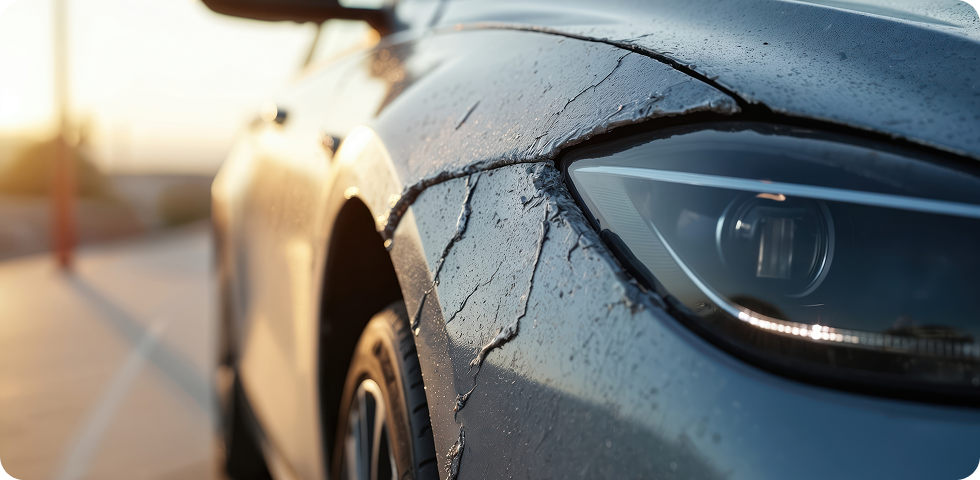
If your vehicle has a dented door, scratched bumper, damaged fender, or other body damage, one of your first questions is probably: How much will it cost to fix?
Unfortunately, there isn’t one price that applies to every repair. The auto body repair cost depends on the type and severity of the damage, the vehicle itself, the parts required, labor, paint and refinishing, and whether hidden damage is discovered.
For Philadelphia drivers, understanding these factors can make it easier to evaluate a body shop estimate and avoid focusing on price alone.
A small cosmetic repair may be relatively straightforward, while damage from a collision can require several repair stages. Before choosing a repair shop, it’s useful to understand what you’re actually paying for.
What Does Auto Body Repair Include?
Auto body repair focuses primarily on the exterior and structural components of a vehicle that have been damaged.
Depending on the situation, repairs may include:
- Scratch repair
- Fender repair
- Door repair
- Hood repair
- Quarter-panel repair
- Body-panel replacement
- Paint and refinishing
- Rust-related bodywork
- Collision damage repair
- Glass-related body repairs
If your vehicle was damaged in an accident, the work may go beyond cosmetic repairs. A professional inspection can determine whether the damage involves components that aren’t visible from the outside.
For drivers looking for auto body repair in Philadelphia, getting the vehicle inspected before deciding what work is necessary is an important first step.
How Much Does Auto Body Repair Cost?
There isn’t a universal price for auto body repair because every vehicle and every type of damage is different.
A minor scratch and a heavily damaged quarter panel are completely different repair jobs. Likewise, repairing a bumper cover is different from replacing a bumper and inspecting the components behind it.
Rather than relying on a generic price, ask a repair shop for an estimate based on your vehicle’s actual condition.
The estimate should help explain:
- What needs to be repaired
- What needs to be replaced
- Labor involved
- Paint and refinishing work
- Parts required
- Additional procedures
- Potential hidden damage
What Factors Affect Auto Body Repair Cost?
1. Type of Damage
The type of damage is one of the biggest factors.
A shallow dent may require relatively simple bodywork, while a deep crease or collision-related deformation may require more extensive repair.
Common damage includes:
- Dents
- Scratches
- Cracks
- Paint damage
- Broken bumpers
- Bent panels
- Misaligned doors
- Damaged fenders
The repair method depends on the condition of the specific component.
2. Size and Severity
A small dent and a large dent aren’t necessarily repaired the same way.
Larger or deeper damage may require more preparation, labor, and refinishing.
If a panel is severely distorted or damaged beyond practical repair, replacement may be considered instead.
3. Repair or Replacement
One of the important decisions in body repair is whether a damaged component should be repaired or replaced.
Repairing a panel can sometimes be appropriate when the damage is limited.
Replacement may be necessary when the component is severely damaged or cannot be restored appropriately.
The correct approach depends on the vehicle, material, location, and extent of damage.
4. Labor
Labor is another major part of a body shop estimate.
Body repairs can involve:
- Preparing the damaged area
- Removing components
- Straightening or repairing panels
- Preparing surfaces
- Refinishing
- Reassembling the vehicle
- Inspecting the completed repair
A complicated repair requires more labor than a simple cosmetic repair.
5. Paint and Refinishing
Paint work can significantly affect the final estimate.
A damaged panel may need preparation before refinishing. Depending on the repair, surrounding areas may also require blending to create an appropriate visual match.
Paint-related work can involve:
- Surface preparation
- Primer
- Color application
- Clear coat
- Blending
- Finishing
The amount of refinishing required depends on the repair.
Why Some Repairs Cost More Than Expected
You may look at your vehicle and think, “It’s just a bumper.”
But the visible damage doesn’t always tell the entire story.
A collision can damage components behind the bumper, including mounting points, brackets, reinforcement components, sensors, or other parts.
This is known as hidden damage.
Once a vehicle is disassembled, technicians may discover additional problems that weren’t visible during the initial inspection.
That’s one reason an initial estimate can sometimes change.
How Collision Damage Changes the Cost
Not every body repair is caused by a collision, but accidents can create some of the most complicated repair situations.
A collision may involve multiple areas at once, such as:
- Front bumper
- Hood
- Fender
- Headlight
- Grille
- Doors
- Quarter panels
- Wheels
- Structural components
If your vehicle has significant accident damage, you may need collision repair in Philadelphia rather than a simple cosmetic body repair.
A thorough inspection can help determine the full scope of the damage.
Does Your Vehicle’s Make and Model Matter?
Yes.
Different vehicles use different materials, components, designs, and replacement parts.
A repair may involve:
- Steel
- Aluminum
- Plastic
- Composite materials
- Specialized body panels
- Vehicle-specific components
Parts availability can also affect both cost and repair time.
Some replacement parts may be readily available, while others may need to be ordered.
How Parts Affect Auto Body Repair Cost
Parts can make up a significant portion of an estimate.
Depending on the repair, the shop may need to source:
- Bumpers
- Fenders
- Doors
- Hoods
- Grilles
- Lights
- Brackets
- Trim
- Other body components
When reviewing an estimate, don’t hesitate to ask what parts are being used and why.
Understanding the parts included in the estimate can help you compare repair proposals more accurately.
What About Insurance?
If the damage resulted from an accident, insurance may play an important role in the repair process.
Depending on the circumstances and your policy, an insurance claim may involve an estimate, deductible, insurer review, and authorization.
Coverage varies, so Philadelphia drivers should confirm their individual coverage directly with their insurance provider.
Keep documents such as:
- Insurance information
- Accident photographs
- Repair estimates
- Claim information
- Final invoices
- Repair documentation
Having organized records can make the process easier.
Should You Choose the Cheapest Body Shop?
Not necessarily.
Price is important, but choosing a body shop solely because it has the lowest estimate can create problems if the estimates don’t include the same work.
When comparing shops, consider:
Reputation
Look for consistent customer feedback about workmanship and communication.
Transparency
The shop should be able to explain what is included in its estimate.
Experience
Consider whether the facility regularly handles the type of damage your vehicle has.
Communication
Ask how the shop will contact you if additional damage is discovered.
Warranty
Ask whether the repair comes with a warranty and what its terms cover.
A slightly different estimate isn’t necessarily a sign that one shop is overcharging. The repair scopes may simply be different.
How to Get an Accurate Body Shop Estimate
The best way to understand your potential repair cost is to have the vehicle inspected.
Photos can help a shop understand the general situation, but they don’t always reveal hidden damage.
Before getting an estimate, gather:
- Photos of the damage
- Vehicle information
- Insurance details if applicable
- Accident information
- Any previous repair information
Then ask the shop to explain the estimate in plain language.
Questions to Ask Before Approving Repairs
Before authorizing work, consider asking:
- What exactly needs to be repaired?
- Which parts need replacement?
- Could there be hidden damage?
- Is paint work included?
- How long could the repair take?
- What happens if the estimate changes?
- What warranty is provided?
- How will insurance payments be handled?
- Who should I contact for updates?
These questions can help you understand both the cost and the repair process.
Philadelphia Factors to Keep in Mind
Philadelphia vehicles experience a wide range of driving conditions.
Busy streets, parking areas, traffic congestion, weather, road debris, and occasional accidents can all contribute to vehicle body damage.
A minor parking-lot scrape may require very different work from damage caused by a highway collision.
That’s why a local repair facility familiar with the needs of Philadelphia drivers can be a practical choice when you need an inspection or repair.
Conclusion
The auto body repair cost for a Philadelphia vehicle depends on much more than the size of a dent or scratch. Damage severity, repair versus replacement, labor, parts, paint work, vehicle technology, and hidden damage can all affect the final price.
Instead of choosing a repair shop based only on the lowest estimate, look at what each estimate actually includes. Ask questions, understand the repair process, and make sure you know what happens if additional damage is discovered.
Nigro’s Auto Body is available to help Philadelphia drivers understand their vehicle’s body damage and the repair options available.
If your vehicle has dents, scratches, bumper damage, or collision-related body damage, contact Nigro’s Auto Body to discuss an inspection and the next steps for restoring your vehicle.
FAQ’S
The cost varies based on the type and severity of damage, vehicle, parts, labor, paint work, and hidden damage. An in-person inspection is the best way to determine the likely repair scope.
Major collision damage can be expensive because it may involve multiple body panels, structural components, replacement parts, paint work, and additional repair procedures.
It depends on the size, location, and severity of the dent and the condition of the panel. A technician can determine whether repairing or replacing the panel is appropriate.
Insurance coverage depends on your policy and the circumstances that caused the damage. Contact your insurance provider to confirm what coverage applies to your situation.
An estimate can change when technicians discover hidden damage after inspecting or disassembling the vehicle. Additional parts or labor may then be required.
Comparing estimates can be useful, but make sure each estimate covers comparable work. The lowest price isn’t necessarily the lowest overall cost if important repairs are missing.
Yes. Surface preparation, refinishing, color matching, blending, and clear coat can all contribute to the overall repair cost.
Yes. A collision that appears minor externally can sometimes damage components behind body panels or bumpers. A professional inspection can reveal issues that aren’t immediately visible.