A fender bender may seem like a minor inconvenience. You might see a dented bumper, scratched paint, or a slightly bent fender and assume the repair will be quick and straightforward. But even a low-speed accident can involve several steps before your vehicle is safely and properly restored.
If you’ve recently had a minor accident in Philadelphia, one of the first questions you may have is: How much does fender bender repair cost?
The answer depends on the type and extent of damage, the vehicle involved, the parts required, and whether hidden damage is discovered during the inspection. Understanding what actually happens at an auto body shop can make the process much easier to navigate.
At Nigro’s Auto Body, the goal of the repair process is not simply to make visible damage disappear. The vehicle needs to be properly inspected so the necessary repairs can be identified and completed.
What Is a Fender Bender?
A fender bender generally refers to a relatively minor vehicle collision, often occurring at low speeds. These accidents can happen in parking lots, intersections, congested streets, or during stop-and-go traffic.
Common damage includes:
- Scratched or chipped paint
- Small dents
- Damaged fenders
- Cracked or dented bumpers
- Misaligned body panels
- Broken trim
- Damaged lights
- Scratches on doors or quarter panels
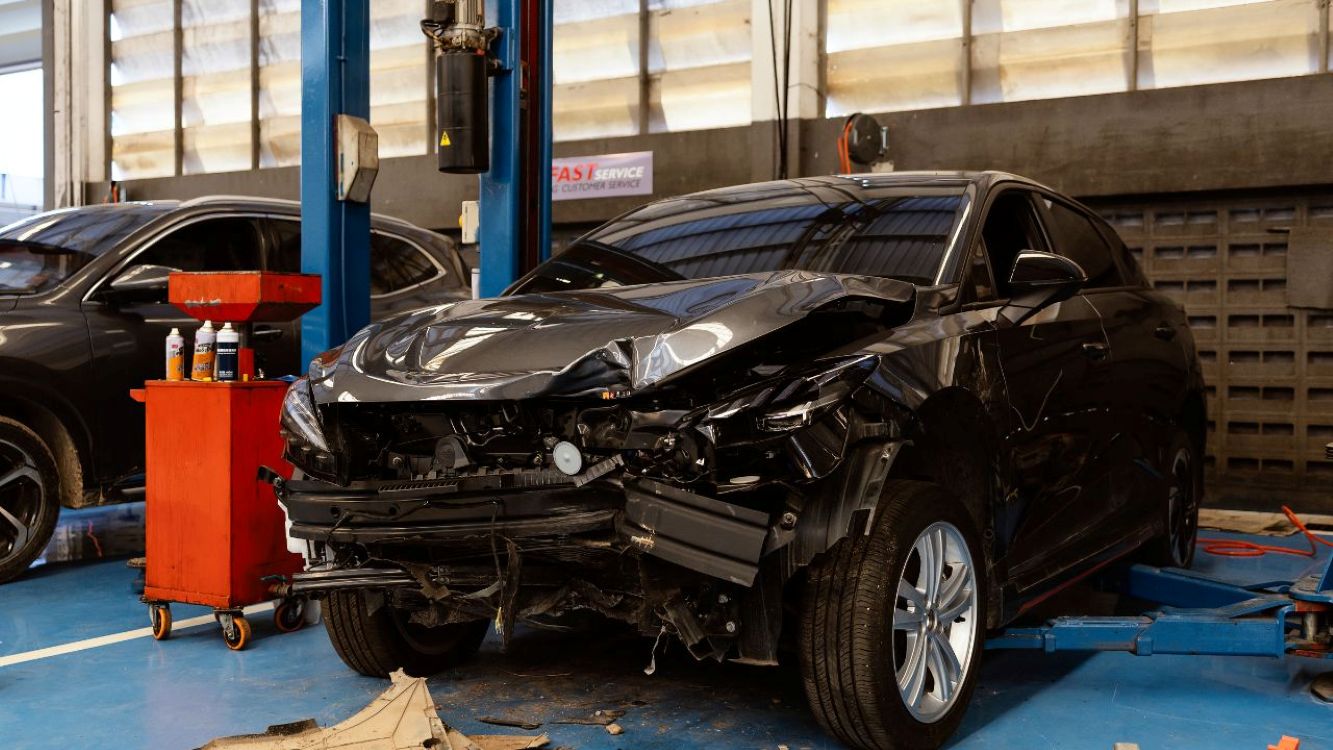
However, the visible damage does not always tell the entire story. A relatively small impact can sometimes affect components behind the bumper or body panel.
That’s why having the vehicle inspected after an accident is important, even if the damage appears minor.
What Happens When You Take Your Car to a Body Shop?
The repair process typically begins before anyone starts replacing parts or painting the vehicle.
1. The Vehicle Is Inspected
The first step is a detailed assessment of the damage.
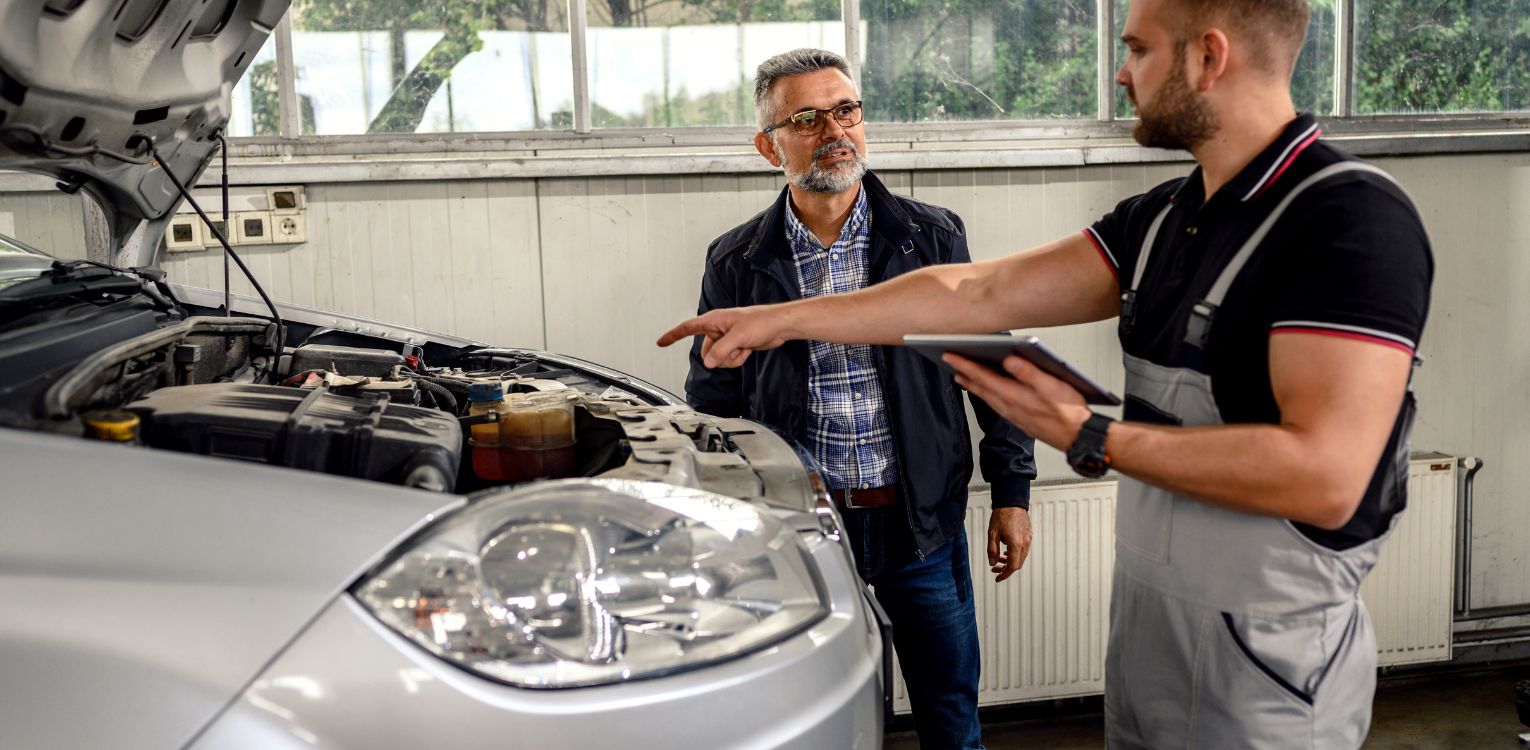
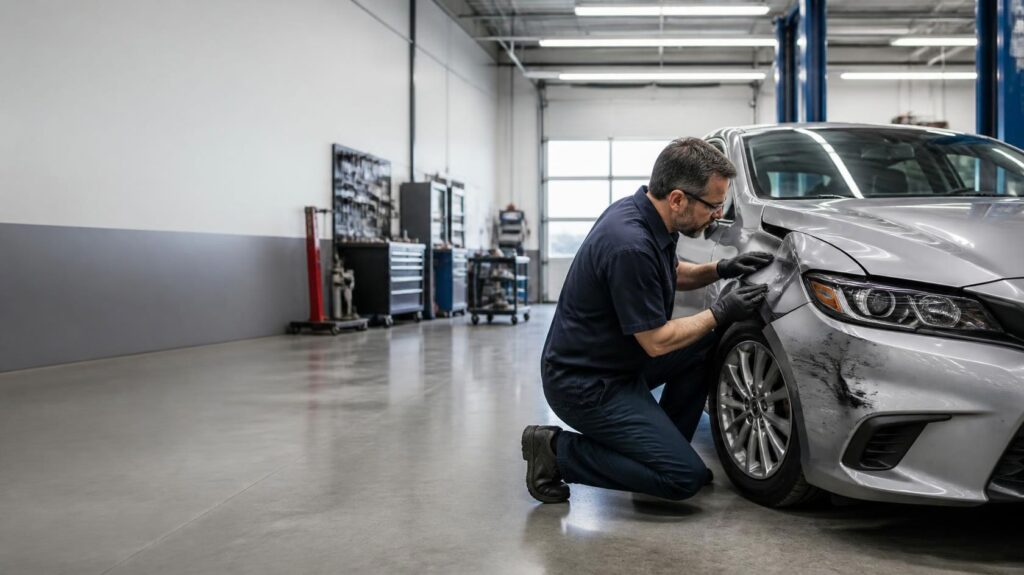
A technician looks at the affected area and surrounding components to determine what may need repair or replacement. They may examine the bumper, fender, hood, doors, lights, brackets, and other nearby areas.
The inspection helps establish the scope of the repair rather than simply estimating the cost based on one visible dent.
2. The Damage Is Documented
Photos and other documentation may be used to record the vehicle’s condition.
This can be especially important when an insurance claim is involved. Clear documentation helps establish what damage resulted from the accident and what work may be necessary.
If you’re dealing with an insurance company after an accident in Pennsylvania, keeping photographs and relevant accident information can also help you stay organized throughout the claims process.
3. A Repair Estimate Is Prepared
Once the damage has been assessed, the shop can determine what repairs may be necessary.
An estimate can take several factors into account, including:
- Labor
- Replacement parts
- Materials
- Paint and refinishing
- Body repair
- Removal and installation of components
- Additional damage discovered during the repair
This is one reason fender bender repair cost can vary significantly between vehicles and accidents.
A small paint scratch and a damaged bumper may require a very different repair process from a collision that affects several panels.
What Affects Fender Bender Repair Cost?
There is no universal price for repairing a fender bender. Two accidents that look similar from the outside can have very different repair requirements.
Type and Severity of Damage
A shallow dent may be relatively straightforward to repair. A cracked bumper, severely bent fender, or damaged mounting area can require substantially more work.
Replacement Parts
If a component cannot be repaired, it may need to be replaced.
The cost can depend on the specific vehicle and the part required.
Paint and Refinishing
Matching the repaired area to the rest of the vehicle can involve more than simply applying a new coat of paint.
The affected area may need preparation, refinishing, and careful color matching to achieve a consistent appearance.
Hidden Damage
Sometimes the most important damage is not visible immediately after the accident.
For example, an impact to a bumper may affect components behind the bumper cover. This can change the repair plan and ultimately affect the overall cost.
Vehicle Technology
Modern vehicles can include sensors, cameras, parking-assistance systems, and other technology integrated into or around the body of the vehicle.
If these components are affected by a collision, additional inspection or repair may be necessary.
Why Does a Minor Accident Sometimes Cost More Than Expected?
One of the biggest surprises for vehicle owners is discovering that a “small” accident requires more work than expected.
The reason is simple: visible damage and total damage are not always the same thing.
A bumper may hide damaged brackets. A body panel may look repairable while the underlying mounting point has shifted. A light may appear intact but have damage around its mounting area.
This is why a professional inspection matters.
Rather than assuming that a dent or scratch represents the entire repair, a technician can examine the surrounding components and identify problems that may not be obvious to an untrained eye.
Repairing vs. Replacing Damaged Parts
After an inspection, the shop determines whether individual components should be repaired or replaced.
When Repair May Be Appropriate
Repair may make sense when a panel or component can be restored properly without compromising its appearance or function.
This may apply to certain:
- Dents
- Scratches
- Minor panel damage
- Cosmetic imperfections
When Replacement May Be Better
Replacement may be appropriate when a part is severely damaged, cannot be restored effectively, or would not provide a reliable result after repair.
The decision depends on the specific component and the extent of the damage.
The goal should be a safe, durable repair—not simply the cheapest immediate option.
Body Repair and Paint Work
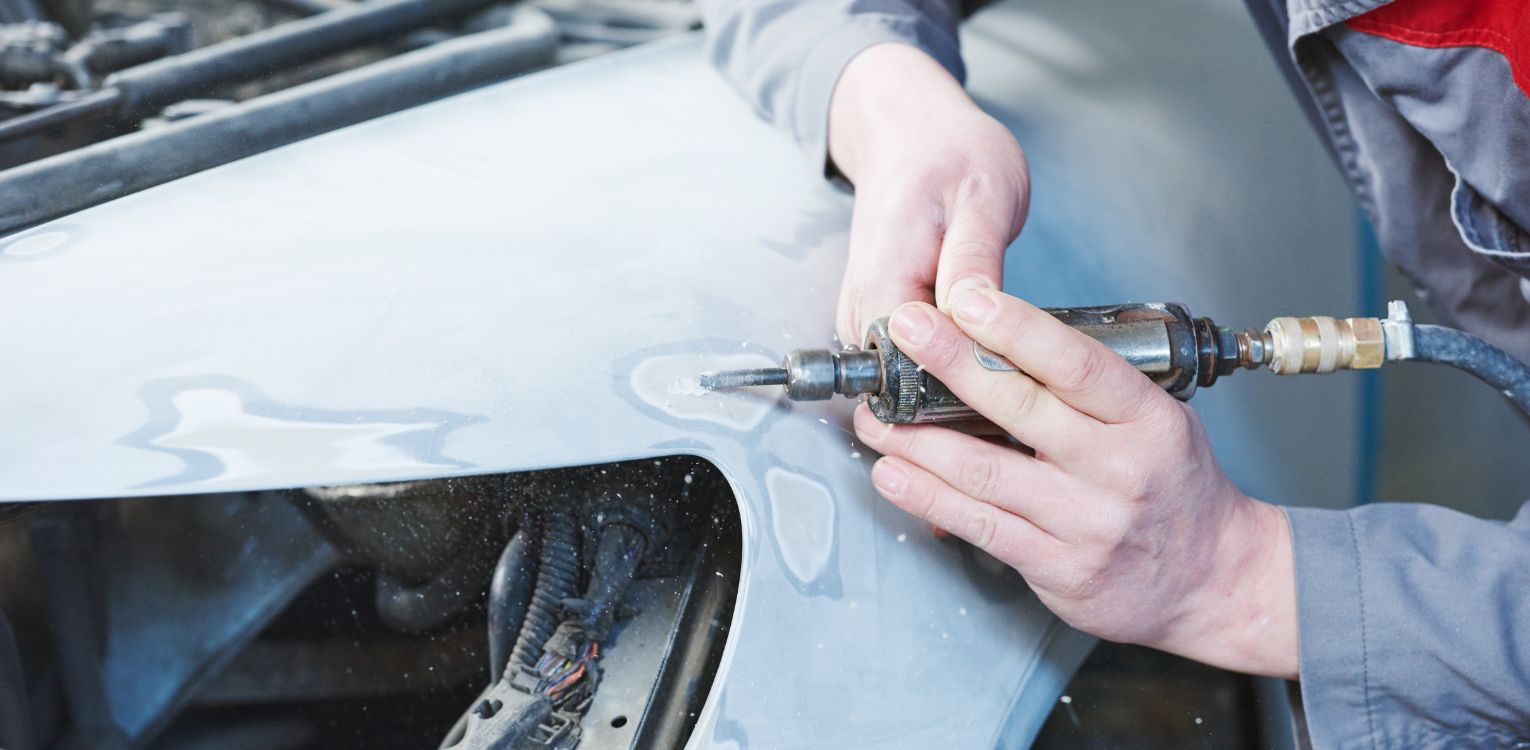
Once damaged components have been repaired or replaced, the vehicle may need additional bodywork and refinishing.
For example, a damaged fender may require:
- Removal of the damaged component or preparation of the panel
- Repair or replacement
- Surface preparation
- Priming where appropriate
- Paint application
- Clear coat
- Final inspection
If your fender bender has left dents, scratches, damaged panels, or other exterior problems, auto body repair in Philadelphia can address the vehicle’s body-related damage as part of the overall repair process.
How Long Does Fender Bender Repair Take?
Repair time depends on the severity of the damage and the work required.
A small cosmetic repair may take considerably less time than a collision involving multiple panels, replacement parts, or refinishing.
Parts availability can also affect the timeline. If a required component has to be ordered, the repair may take longer than expected.
For this reason, it’s better to ask the repair shop for a timeline based on your vehicle’s actual condition rather than relying on a general number of days.
What If Insurance Is Involved?
After a collision, insurance may become part of the repair process.
The exact claims process depends on your circumstances and insurance policy. In general, you should keep documentation of the accident and damage and communicate with the appropriate insurance parties.
An insurance claim may involve:
- Accident information
- Photos of the vehicle
- Damage estimates
- Insurance inspection
- Repair authorization
- Communication between the insurer and repair facility
If your fender bender involved another vehicle, you may also need to follow the appropriate Pennsylvania accident and insurance procedures.
When Is a Fender Bender Actually Collision Repair?
Even though the accident is called a “fender bender,” it is still a collision.
If the vehicle has significant body damage, bumper damage, structural concerns, or other accident-related problems, it may require a complete collision repair process.
For Philadelphia drivers dealing with accident damage, collision repair in Philadelphia can involve much more than fixing the most obvious dent. The vehicle should be assessed as a whole to determine what needs to be restored.
What Should You Do After a Fender Bender?
If you’ve just experienced a minor collision, take a few practical steps before focusing on repairs.
Step 1: Check for Safety Issues
Make sure everyone involved is safe and move to a safe location when possible.
Step 2: Document the Accident
Take photographs of the vehicles, visible damage, surrounding area, and other relevant details.
Step 3: Look for More Than One Damaged Area
Check the bumpers, lights, panels, wheels, and other visible areas.
Step 4: Contact Your Insurance Company if Necessary
Follow your insurer’s instructions regarding reporting and documentation.
Step 5: Have the Vehicle Professionally Inspected
Even if the damage looks minor, an inspection can help identify hidden problems and determine the appropriate repair method.
How to Keep Fender Bender Repair Costs Under Control
You should not choose a repair method based solely on the lowest quoted price.
Instead, focus on understanding what the estimate includes.
Ask questions such as:
- What parts need to be repaired?
- Which parts need to be replaced?
- Is there hidden damage?
- Does the estimate include paint and refinishing?
- Could additional damage be discovered during disassembly?
- How long is the expected repair?
- What documentation is needed for insurance?
A clear explanation can help you understand why the repair costs what it does.
Conclusion
A fender bender may look like a simple dent or scratch, but proper repair involves much more than making the visible damage disappear. Inspection, damage documentation, estimating, parts decisions, bodywork, paint refinishing, and final checks can all be part of the process.
The fender bender repair cost for your vehicle will depend on the actual damage and the work required to restore it properly. Getting the vehicle inspected by a professional can give you a much clearer understanding of what needs to be repaired.
For Philadelphia drivers, Nigro’s Auto Body can help evaluate accident-related body damage and determine the appropriate repair approach. Whether your vehicle has a damaged fender, bumper, dent, scratch, or more extensive collision damage, a professional assessment is a useful first step.
If your vehicle has recently been involved in a fender bender, contact Nigro’s Auto Body to have the damage evaluated and discuss the appropriate repair options for your vehicle.
FAQ’S
The cost varies based on the severity and location of the damage, parts required, labor, paint work, and whether hidden damage is discovered. A professional inspection is the best way to determine the likely repair scope for a specific vehicle.
Yes. “Fender bender” is an informal term generally used for a minor collision. Even a low-speed accident can cause damage that requires professional collision or auto body repair.
Sometimes. If the metal and paint are in suitable condition, certain dents may be repairable. The best approach depends on the dent’s size, location, depth, and the condition of the panel.
Coverage depends on the circumstances of the accident and the applicable insurance policy. Drivers should contact their insurance provider to understand their coverage and claim requirements.
There is no single timeline. Minor cosmetic work may be relatively quick, while repairs requiring replacement parts, paint work, or additional damage assessment can take longer.
A bumper should be inspected even if the damage appears cosmetic. The impact may have affected components behind the bumper cover, so professional assessment can help determine whether repair or replacement is appropriate.
Yes. A detailed inspection and, when necessary, disassembly can reveal damage that is not visible from the outside. This is one reason an initial visual inspection may not represent the complete repair scope.
Insurance procedures vary, so it is best to understand your insurer’s requirements before taking action. Keeping photographs and documentation of the damage is useful regardless of the claims process.