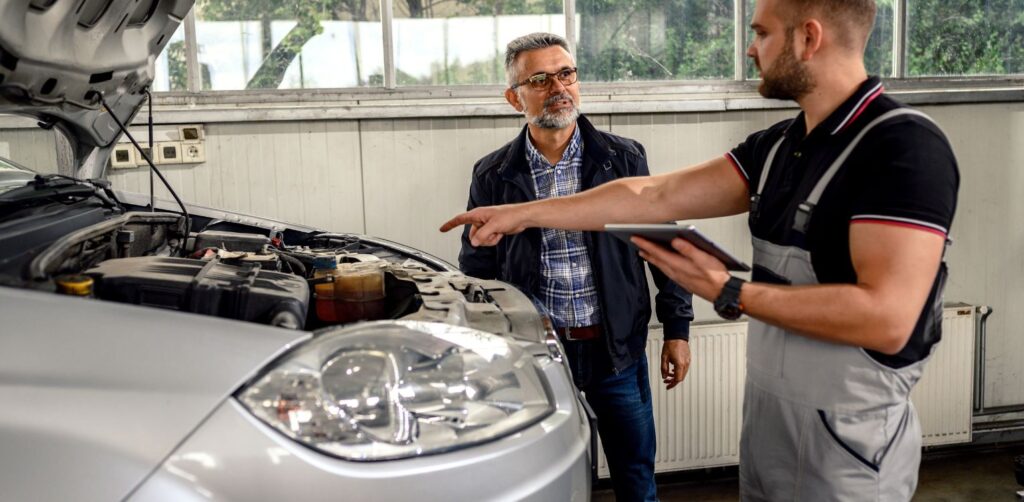
After a car accident, getting your vehicle repaired can feel overwhelming. You may be dealing with insurance, transportation, damaged body panels, and uncertainty about how much the repairs will cost. Free Collision Repair Estimates: What to Expect
One of the best places to start after an accident is with a free collision repair estimate.
An estimate gives you an opportunity to have your vehicle inspected, understand the visible damage, discuss possible repairs, and learn what the next steps may look like. For Philadelphia drivers, knowing what to expect before arriving at an auto body shop can make the process much easier.
At Nigro’s Auto Body, the goal should be more than simply giving you a number. A useful estimate should help you understand what happened to your vehicle and what may be required to restore it.
What Is a Collision Repair Estimate?
A collision repair estimate is an assessment of the work that may be required to repair damage caused by an accident or impact.
Depending on the vehicle, an estimate may address:
- Damaged bumpers
- Dents
- Scratches
- Damaged doors
- Fenders
- Hoods
- Quarter panels
- Headlights and other components
- Paint and refinishing
- Replacement parts
- Potential hidden damage
The shop bases the estimate on the condition of the vehicle at the time of inspection.
It’s important to understand that an initial estimate isn’t always the final cost of repairs. The shop may discover additional damage after removing damaged components or disassembling the vehicle.
What Happens During a Free Collision Repair Estimate?
Your appointment will generally begin with a vehicle inspection.
A technician or estimator will look at the damaged areas and evaluate what they can see from the outside.
1. The Technician Inspects the Vehicle
The first step involves identifying the visible damage.
The technician may inspect:
- Body panels
- Bumpers
- Doors
- Hood
- Fenders
- Lights
- Paint
- Trim
- Other visible components
The goal is to understand how extensive the damage appears to be.
2. The Shop Documents the Damage
The shop may use photos and other documentation to record the vehicle’s condition.
This can help when you discuss the repair with an insurance company and compare the vehicle’s condition before and after repairs.
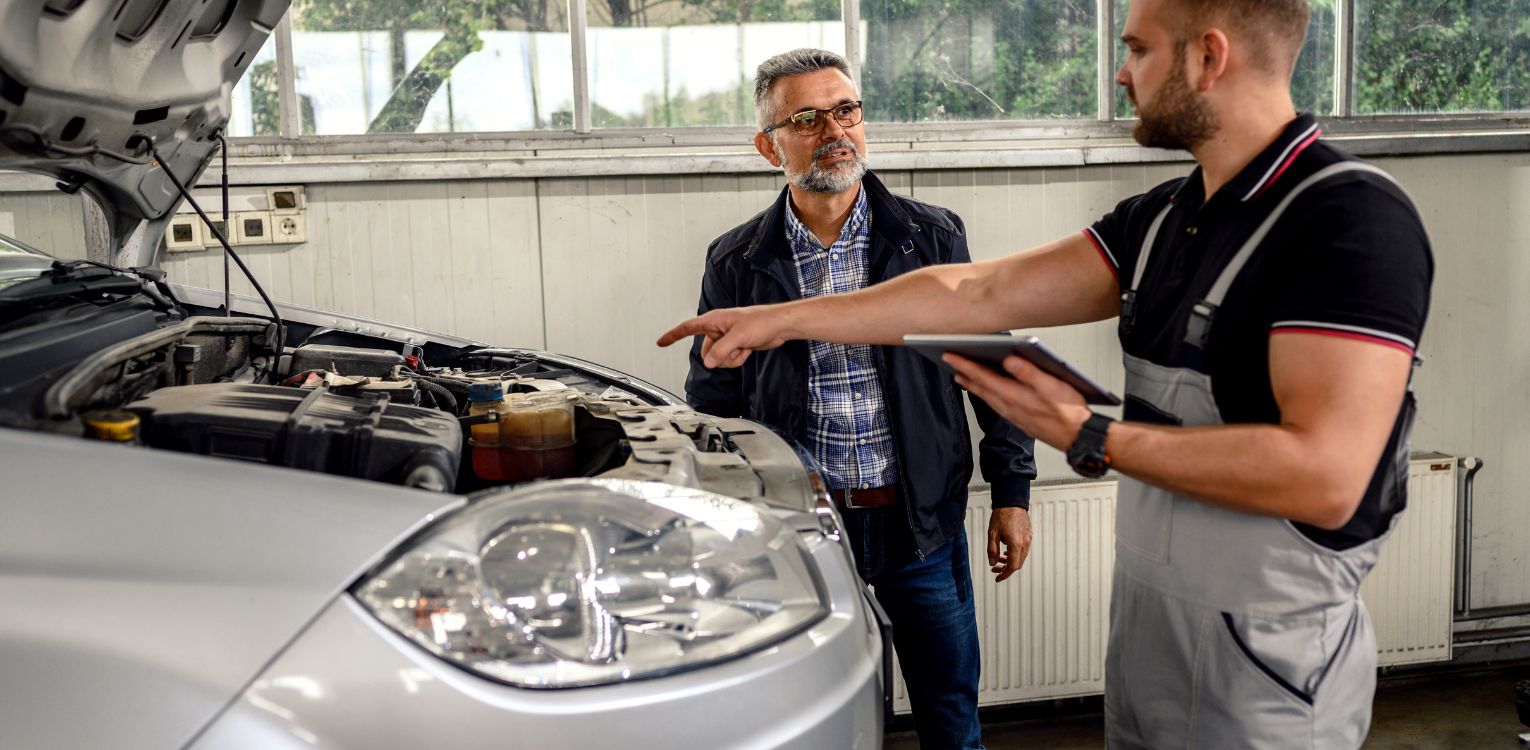
3. The Estimator Discusses the Repair Scope
The estimator can explain which components appear to require repair and which may need replacement.
For example, a damaged bumper may be repairable in some circumstances, while severe cracking or deformation may make replacement more appropriate.
The same principle applies to other body panels.
4. The Shop Provides an Estimate
The estimate may identify potential repair operations, parts, labor, paint or refinishing work, and other applicable items.
If you’re unfamiliar with auto body terminology, ask questions.
A good estimate should be understandable to the vehicle owner, not just to the people working in the shop.
What Should You Bring to the Appointment?
You don’t necessarily need a large amount of paperwork for an initial inspection, but bringing useful information can make the process smoother.
Consider bringing:
- Driver’s license or identification
- Vehicle information
- Insurance information
- Claim number, if available
- Accident photographs
- Information about the accident
- Any estimate you’ve already received
- Relevant paperwork from your insurer
If another vehicle was involved, keep any information you have about the accident and the other driver.
What If You Have Already Filed an Insurance Claim?
That’s completely different from needing an estimate.
If you’ve already contacted your insurance company, provide the repair shop with your claim information when appropriate.
Your insurer may have already created an estimate, but you can still discuss the vehicle’s damage with the repair facility.
Coverage and claims procedures depend on your specific policy and circumstances, so confirm questions about coverage, deductibles, and payment with your insurance provider.
Why Can an Estimate Change?
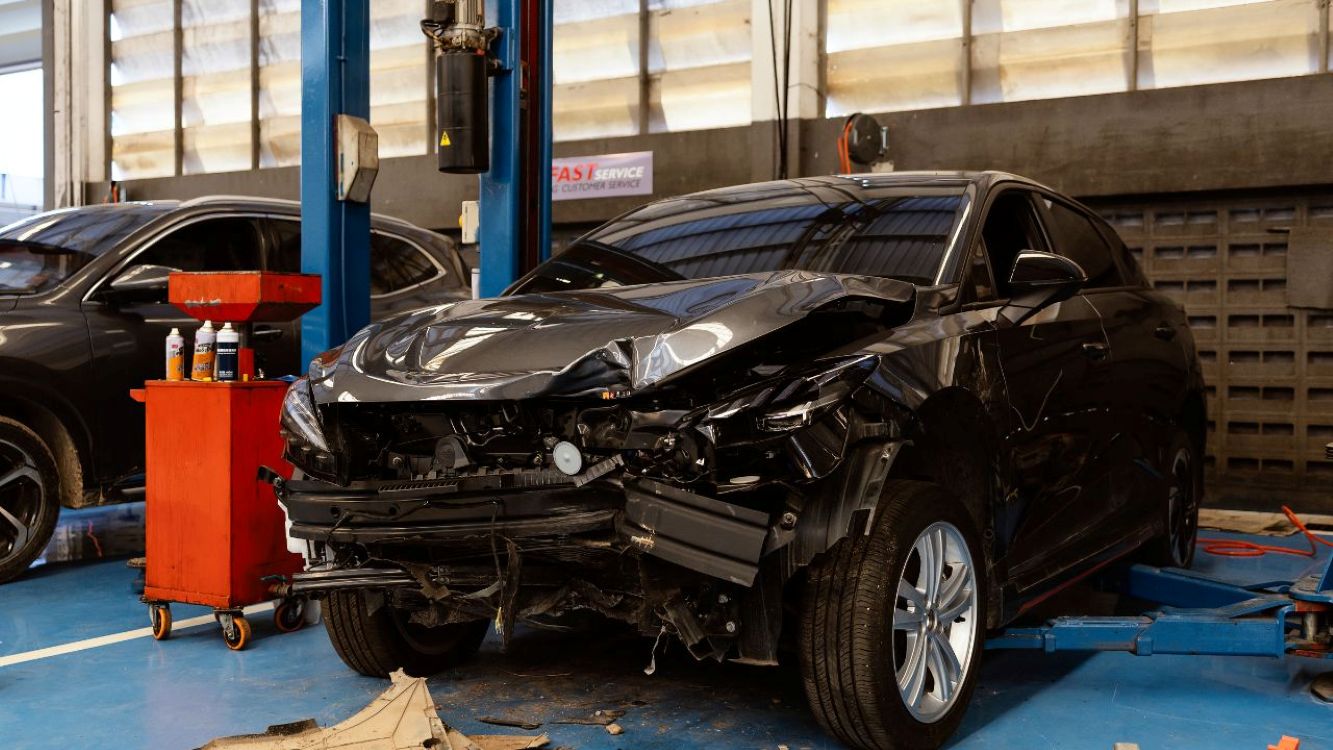
One of the most important things to understand about collision estimates is that visible damage isn’t always the full story.
A bumper may look damaged on the outside, while additional components behind it may also have suffered damage.
For example, a collision can potentially damage:
- Brackets
- Mounting points
- Reinforcement components
- Sensors
- Wiring
- Adjacent body panels
- Other components behind the damaged area
You may only notice some of these problems after the shop disassembles the vehicle.
Supplementary Damage
If the shop discovers additional damage during the repair process, it may need to update the repair estimate.
This is sometimes called a supplement.
The repair facility can document the newly discovered damage and determine what additional work is necessary.
This doesn’t automatically mean the original estimate was inaccurate. It can simply mean that certain damage wasn’t visible during the initial inspection.
Does a Free Estimate Mean You Have to Get the Repairs Done?
An estimate and authorization to repair are two different things.
When a shop provides an estimate, you can use that information to understand the potential repair.
Before authorizing work, ask questions about:
- The estimated repair cost
- The expected repair timeline
- Parts
- Labor
- Paint work
- Additional damage
- Warranty information
- Insurance procedures
Make sure you understand what you’re approving before repairs begin.
How Accurate Is a Free Collision Repair Estimate?
An estimate can provide a useful picture of the expected repair, but its accuracy depends on how much damage the technician can identify during the inspection.
A vehicle with straightforward cosmetic damage may be easier to estimate.
A heavily damaged vehicle may have hidden problems that the technician cannot identify until further inspection.
That’s why it’s important to understand that an estimate reflects the information available at the time.
Why You Shouldn’t Compare Estimates by Price Alone
If you’re getting estimates from multiple shops, it’s natural to compare the prices.
But the lowest number isn’t necessarily the best choice.
Two estimates can differ because they may include different:
- Parts
- Repair procedures
- Labor operations
- Paint work
- Damage assessments
- Additional components
When comparing estimates, make sure you’re comparing similar repair scopes.
Ask each shop to explain what it includes.
What Questions Should You Ask the Repair Shop?
Your estimate appointment is a good time to ask questions.
Consider asking:
“What damage do you see?”
This helps you understand the condition of your vehicle.
“Which parts can be repaired?”
Not every damaged component necessarily needs replacement.
“Which parts need to be replaced?”
Understanding replacement recommendations can help you understand the estimate.
“Could there be hidden damage?”
This is especially important after a significant impact.
“What happens if additional damage is found?”
Ask how the shop handles changes to the estimate.
“How long might the repair take?”
The answer may depend on parts availability, repair complexity, insurance authorization, and additional damage.
“Does the repair come with a warranty?”
If applicable, ask what the warranty covers and how long it lasts.
What About Dents, Scratches, and Bumper Damage?
Not every vehicle that visits a collision shop has severe accident damage.
A minor collision can leave behind:
- Scratched paint
- Small dents
- Cracked bumpers
- Scuffed panels
- Damaged trim
- Misaligned body panels
These repairs may be simpler than major collision work, but they still require proper assessment.
If your vehicle needs dents, scratches, bumper work, or other exterior repairs, auto body repair in Philadelphia can address these types of vehicle damage.
When Should You Get an Estimate?
It’s generally a good idea to have your vehicle inspected after an accident, even when the visible damage doesn’t appear severe.
An inspection can help identify whether the damage is limited to the exterior or whether additional components may have suffered damage.
If the vehicle has serious damage or appears unsafe to drive, don’t take unnecessary risks. Follow appropriate safety procedures and arrange transportation or towing as needed.
Choosing a Collision Repair Shop in Philadelphia
Philadelphia drivers have many options when looking for a repair facility.
When choosing a shop, consider more than the estimate price.
Look for:
- Clear communication
- Transparent estimates
- Positive customer experiences
- Experience with collision damage
- A clear repair process
- Answers to your questions
- Information about warranties
The right shop should make it easier to understand what is happening with your vehicle.
If your vehicle needs collision repair in Philadelphia, an estimate is a useful first step toward understanding the repair process.
Conclusion
A free collision repair estimate gives Philadelphia drivers a chance to understand their vehicle’s damage before committing to repairs. During the appointment, the shop can inspect the vehicle, document visible damage, discuss repair options, and prepare an estimate.
Remember that an initial estimate may change if the shop discovers hidden damage later. The most useful approach is to ask questions, understand what’s included, and compare repair scopes rather than focusing only on the lowest price.
Nigro’s Auto Body can help vehicle owners understand their collision damage and the repair process.
If your vehicle recently sustained damage in an accident, contact Nigro’s Auto Body to discuss a free collision repair estimate and learn what steps may help get your vehicle back on the road.
FAQ’S
If a shop advertises a free estimate, you generally should not be charged for that initial estimate. However, it’s always reasonable to confirm the terms with the shop before the appointment.
No. You can ask a repair shop to inspect your vehicle and provide an estimate before deciding how you want to handle the damage. Insurance procedures depend on your individual situation.
The time can vary depending on the amount of damage and how detailed the inspection needs to be. Minor damage may be assessed relatively quickly, while extensive collision damage can require more time.
Yes. Hidden damage may become visible after damaged parts are removed or the vehicle is disassembled. Additional repairs may then need to be documented and added to the estimate.
Comparing estimates can help you understand your options. However, compare the actual repair work included rather than simply choosing the lowest price.
Your options may depend on your insurance policy and circumstances. Discuss any insurance-related requirements with your insurer and ask the repair shop about its process.
The claims process can vary depending on the accident and the insurers involved. Keep your documentation and communicate with the relevant insurance company about the claim.
Not necessarily. An estimate is based on the damage that can be identified at the time of inspection. Hidden damage discovered later can change the repair scope.
Even a small dent should be inspected if it resulted from a collision. There may be additional damage that isn’t immediately visible.