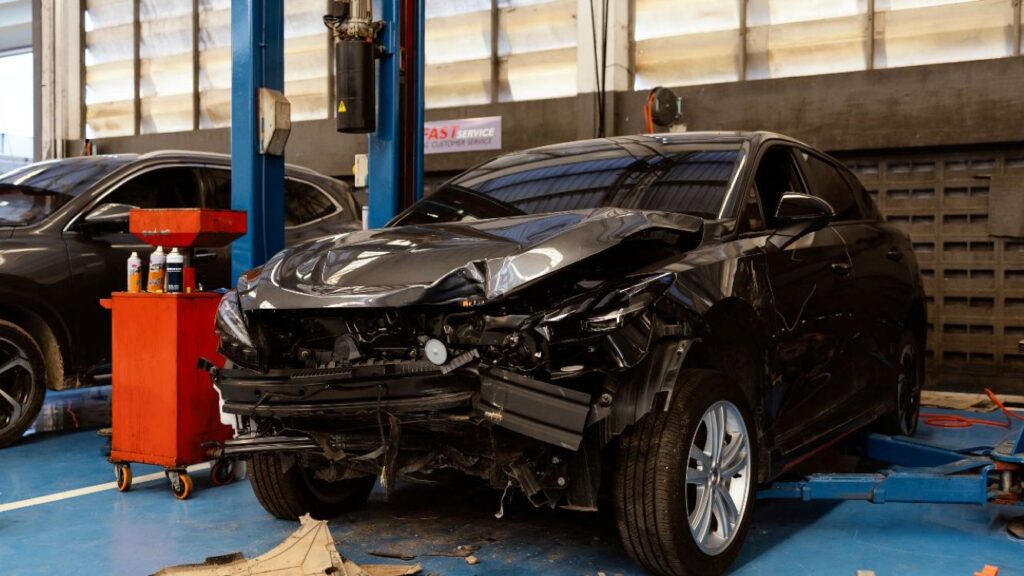
Being involved in a car accident is stressful enough without having to figure out where to take your vehicle for repairs. After the initial shock wears off, many Philadelphia drivers are left asking the same question: How do I find the best collision repair shop in Philadelphia?
The answer isn’t necessarily the shop with the biggest sign, the lowest estimate, or the most advertisements. A good collision repair shop should provide a clear explanation of the damage, communicate throughout the repair process, and have the equipment and expertise needed to restore your vehicle properly.
Whether you’ve experienced a minor fender bender or more extensive collision damage, knowing what to look for can help you make a more informed decision.
What Does a Collision Repair Shop Do?
A collision repair shop specializes in restoring vehicles damaged in accidents and other impacts.
Depending on the damage, collision repair can involve:
- Damaged bumpers
- Dented or damaged fenders
- Doors and quarter panels
- Scratched or damaged paint
- Broken lights
- Body-panel replacement
- Frame or structural repairs
- Vehicle refinishing
- Alignment-related concerns
- Other accident-related damage
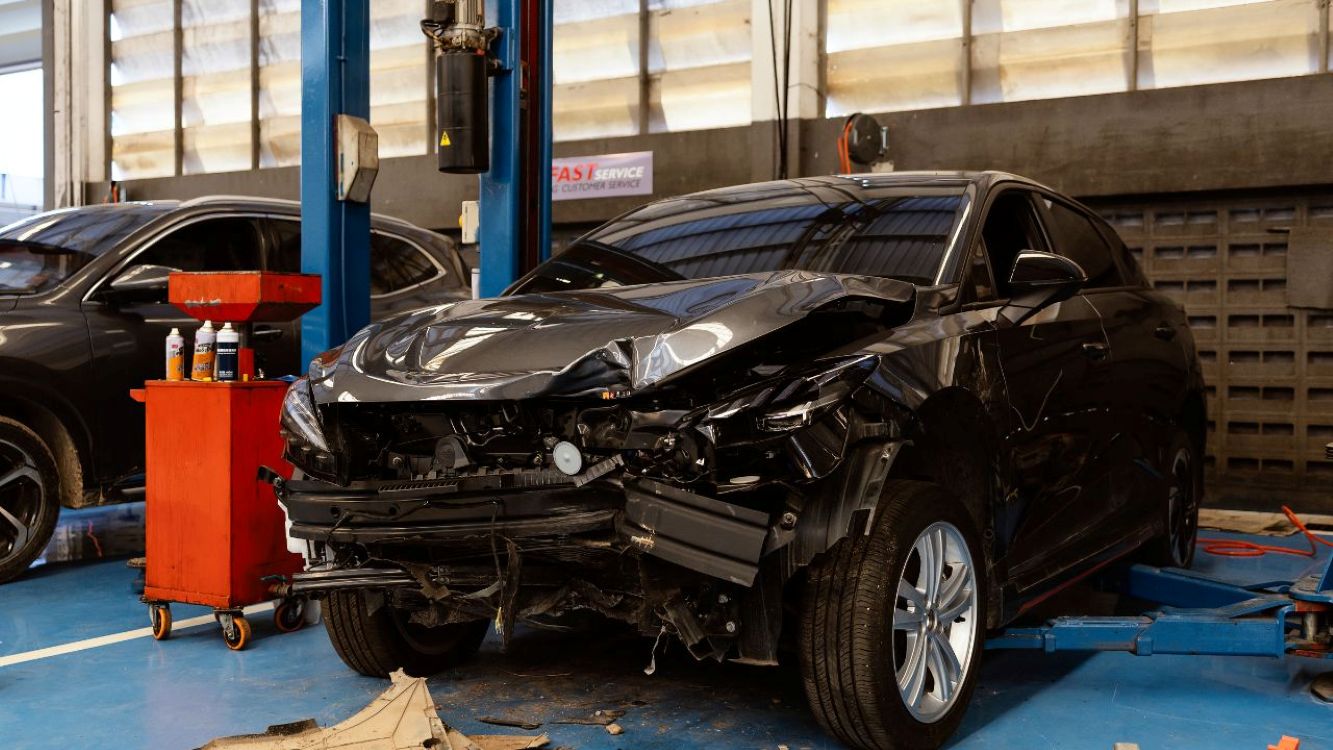
Some collisions may appear minor but have damage that isn’t immediately visible. That’s why a proper inspection is an important part of the repair process.
For Philadelphia drivers, choosing a shop that can evaluate the entire vehicle rather than focusing only on the most obvious dent or scratch can make the repair process easier.
1. Look for Experience With Collision Damage
One of the first things to consider is whether the shop regularly handles collision-related repairs.
Different accidents create different types of damage. A low-speed parking-lot impact may require relatively simple bodywork, while a larger crash can involve multiple panels and components.
When speaking with a repair shop, ask whether they regularly handle the type of damage your vehicle has experienced.
A shop should be able to explain what they see, what needs attention, and what the expected repair process involves.
2. Check the Shop’s Reputation
Before choosing a repair facility, take some time to research what previous customers have experienced.
Look for reviews that mention things such as:
- Communication
- Quality of repairs
- Professionalism
- Accuracy of estimates
- Repair timelines
- Customer service
- How the shop handled insurance-related repairs
Don’t focus on one review alone. A broader pattern of customer feedback can give you a better idea of what to expect.
It’s also worth looking for reviews from customers who had repairs similar to yours.
3. Don’t Choose a Shop Based Only on the Lowest Price
Price is obviously an important consideration, but the cheapest estimate isn’t automatically the best choice.
A collision repair estimate can vary because shops may identify different levels of damage or use different parts and repair procedures.
A low initial estimate may also change if additional damage is discovered after the vehicle is disassembled.
Instead of asking only, “How much will it cost?” ask:
- What does the estimate include?
- Which parts need repair?
- Which parts need replacement?
- Does the estimate include paint work?
- Could additional damage be discovered?
- What could affect the final cost?
A detailed explanation is often more useful than simply comparing two numbers.
4. Ask How the Damage Will Be Repaired
A trustworthy repair shop should be able to explain the basic repair plan in understandable language.
For example, a damaged panel might be repaired rather than replaced, while another severely damaged component may need replacement.
The repair process could include:
- Vehicle inspection
- Damage documentation
- Estimate preparation
- Disassembly if necessary
- Hidden-damage inspection
- Body repairs or part replacement
- Paint and refinishing
- Reassembly
- Final inspection
Understanding these steps gives you a clearer picture of what happens after you leave your vehicle at the shop.
5. Ask About Parts
Parts can be an important part of the repair decision.
Depending on the vehicle and circumstances, a repair may involve original equipment parts, aftermarket parts, recycled parts, or other options.
You can ask the shop:
- What type of parts will be used?
- Are the parts new or used?
- Are replacement parts available?
- How will the parts affect the repair timeline?
- Are there differences between the available options?
The answer may vary depending on your vehicle, insurance situation, and the nature of the repair.
The important thing is that you understand what is being recommended before the work begins.
6. Make Sure the Shop Looks Beyond Cosmetic Damage
A dent or scratch may be the easiest part of an accident to see, but it may not be the only damage.
A collision can potentially affect:
- Bumper components
- Mounting brackets
- Lights
- Sensors
- Body structure
- Suspension-related components
- Other parts behind damaged panels
This is why a thorough inspection matters.
A quality repair process should focus on restoring the vehicle properly rather than simply making the outside look better.
7. Consider the Shop’s Communication
Good communication can make a major difference when your vehicle is being repaired.
Before authorizing work, find out how the shop normally communicates with customers.
Ask:
- How will I receive updates?
- Who should I contact with questions?
- Will I be notified if additional damage is found?
- Will changes to the repair plan be explained?
- How will I know when the vehicle is ready?
A repair may take days or longer depending on the damage, parts availability, and other factors. Clear communication helps reduce uncertainty.
8. Understand the Insurance Process
Insurance can make collision repairs more complicated, especially if multiple parties are involved.
You may need to deal with:
- Your insurance company
- Another driver’s insurance company
- A claims representative
- Damage estimates
- Repair authorization
- Deductibles
- Additional damage discovered during repairs
Before choosing a shop, ask how they handle insurance-related communication and what information you will need to provide.
You should still understand your own policy and communicate with your insurance provider about your specific claim.
9. Look at the Shop’s Range of Services
A collision can cause several types of damage at the same time.
For example, an accident might leave you with a damaged bumper, dented fender, scratched paint, and broken light.
Choosing a facility capable of addressing different types of body damage can make the repair process more convenient.
For Philadelphia vehicle owners needing auto body repair in Philadelphia, the important consideration is whether the shop can properly assess and address the body damage caused by the accident.
10. Ask About the Expected Timeline
It’s natural to want your vehicle back as quickly as possible. However, rushing a repair isn’t necessarily the best approach.
Ask the shop:
- When can the repair begin?
- How long is the estimated repair?
- Are parts readily available?
- Could additional damage change the timeline?
- When will the shop provide updates?
The actual repair time can depend on the severity of the collision, parts availability, insurance authorization, and the amount of work required.
A shop that gives you a realistic explanation is more useful than one that promises an unrealistically short timeline.
What Should You Bring When Getting an Estimate?
When taking your vehicle to a collision repair shop, having relevant information ready can make the process easier.
Consider bringing:
- Vehicle information
- Insurance information
- Accident details
- Photos of the damage
- Police report information, if applicable
- Information from other parties involved in the accident
Photos are particularly useful if the vehicle’s condition has changed since the accident.
Why Local Experience Matters in Philadelphia
Philadelphia drivers deal with a wide range of driving conditions, from busy city streets and intersections to parking areas and heavily traveled roads.
Accidents can happen anywhere, and local vehicle owners often need a repair shop that is convenient to access and responsive throughout the repair process.
When comparing a collision repair shop in Philadelphia, consider more than distance. Look at the shop’s reputation, communication, repair process, services, and ability to explain the work being recommended.
Questions to Ask Before Choosing a Collision Repair Shop
Before handing over your vehicle, consider asking these questions:
“Can you explain the damage?”
You should understand what was damaged and why each repair is necessary.
“Will you check for hidden damage?”
This is especially important when the impact was significant.
“What parts will you use?”
Ask what type of replacement parts are being recommended.
“How long should the repair take?”
Get an estimated timeline and ask what could cause delays.
“How will you keep me updated?”
Know how you’ll receive information during the repair.
“What happens if additional damage is discovered?”
A good shop should explain how changes to the repair plan will be handled.
Conclusion
Choosing a collision repair shop is an important decision after an accident. The right shop should give you a clear understanding of the damage, explain the recommended repairs, communicate throughout the process, and focus on properly restoring your vehicle.
When searching for the best collision repair shop Philadelphia drivers can rely on, don’t judge a shop by price or advertising alone. Research its reputation, ask questions, compare repair estimates, and make sure you understand what the repair involves.
Nigro’s Auto Body is available to help Philadelphia-area drivers understand their vehicle’s collision damage and the repair options available.
If your vehicle has been damaged in an accident, contact Nigro’s Auto Body to discuss the damage and find out what steps may be needed to get your vehicle properly repaired.
FAQ’S
Start by comparing local shops based on reputation, experience, communication, repair services, estimates, and customer reviews. Don’t choose solely based on the lowest price. A detailed inspection and clear explanation of the repair process are important.
Comparing estimates can help you understand the expected repair scope and cost. However, estimates may differ because shops can identify different damage or recommend different repair procedures. Ask each shop what its estimate includes.
Insurance procedures can vary depending on your policy and the circumstances of the accident. Ask your insurance provider about the process, but also research repair shops independently before deciding where you want your vehicle repaired.
There is no standard repair time. Minor body damage may be repaired relatively quickly, while extensive collision damage can take considerably longer. Parts availability, additional damage, insurance authorization, and repair complexity can all affect the timeline.
An estimate may include labor, parts, materials, bodywork, paint and refinishing, and other necessary repair operations. Ask the shop whether additional damage could be discovered after disassembly.
Not necessarily. A lower estimate doesn’t automatically mean better value. Compare the repair scope, parts, services, communication, reputation, and overall approach rather than looking only at the final number.
It’s still a good idea to have the vehicle inspected if there was an impact. Some damage may not be visible from the outside, particularly around bumpers, mounting points, and other components.
Many collision repair facilities handle body damage such as dents, scratches, damaged panels, and bumpers. The appropriate repair depends on the severity and location of the damage.