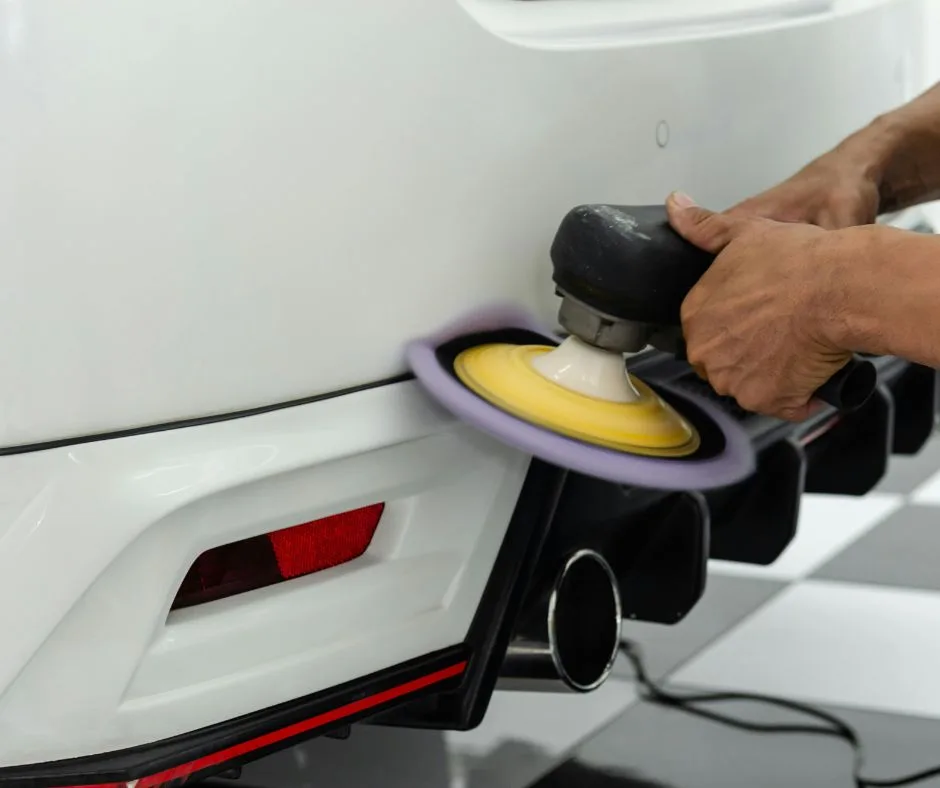
A cracked bumper or a deep scrape after a parking lot mishap leaves most drivers with the same question. Does this need to be repaired, or does the whole thing need to come off. The answer isn’t always obvious just by looking at it, and guessing wrong can either cost you more than necessary or leave your vehicle less protected than it should be.
Here’s how professionals actually make that call, and what you should know before you decide.
Understanding What Your Bumper Actually Does
Modern bumpers aren’t just cosmetic plastic covers. Underneath that outer shell is an energy absorbing system, often a foam or honeycomb structure paired with a metal or reinforced plastic bar, designed to absorb impact and protect the vehicle’s frame, sensors, and safety systems in a collision. Many newer vehicles also have parking sensors, cameras, and radar components mounted directly to or behind the bumper for features like adaptive cruise control and collision warning systems.
That means bumper damage isn’t just about looks. It can affect how your car performs in a future impact and whether its safety features still work correctly.
When Repair Is the Right Call
In many cases, bumper repair and replacement decisions come down to how deep the damage actually goes. Repair typically makes sense when the following apply.
The damage is cosmetic and surface level. Minor scratches, small scuffs, and shallow scrapes that haven’t penetrated through to the bumper’s structure can usually be sanded, filled, and repainted to look like new.
There are small cracks without structural compromise. Plastic bumpers can sometimes be repaired using specialized plastic welding or reinforcement techniques, provided the crack isn’t extensive and the underlying support structure is intact.
The bumper is still properly aligned. If the bumper is sitting where it should, attached securely, and hasn’t been pushed out of position, that’s a good sign repair is viable.
No sensors or components were affected. If your vehicle doesn’t have advanced driver assistance features, or if those components tested fine after the damage, repair is often sufficient.
When Replacement Is Necessary
Some damage goes beyond what a repair can safely address. Replacement is typically the right move when the following apply.
There’s significant cracking or the bumper is broken through. Large cracks, holes, or sections that have separated from the bumper usually can’t be reliably repaired to hold up structurally.
The bumper is bent, warped, or misaligned. If the impact pushed the bumper out of shape or knocked it off its mounting points, straightening it often isn’t a lasting fix.
Sensors, cameras, or parking assist components are damaged. These parts are precise and integrated into the bumper’s design. If they’ve been affected, replacement is usually required to restore full functionality.
The underlying reinforcement bar is damaged. If the impact was hard enough to affect the structural bar behind the bumper cover, that’s a sign the collision went beyond cosmetic damage.
Multiple areas of damage exist. When there’s a combination of cracks, scrapes, and misalignment across different sections, repairing each individually often costs more and holds up worse than a full replacement.
Why This Decision Shouldn’t Be Guessed At Home
It’s tempting to assume a bumper is fine because it doesn’t look that bad, or to assume it’s totaled because there’s a big scrape. Neither assumption is reliable. Proper collision repair starts with inspecting not just the visible cover, but what’s behind it, including the reinforcement bar, mounting brackets, and any electronic components, before making a recommendation.
This matters even more on newer vehicles, where a bumper isn’t just a bumper. It’s tied into a system of sensors that keep advanced safety features working the way they’re supposed to.
What to Expect During an Inspection
When you bring your vehicle in after bumper damage, a proper inspection typically includes the following steps.
A visual assessment of the exterior damage. Removal of the bumper cover to check the reinforcement bar and mounting points underneath. Verification of sensor and camera function if your vehicle has them. An alignment check to confirm the bumper sits correctly relative to the body.
This is the kind of process that separates a shop doing quick cosmetic work from one actually assessing the full scope of the damage.
Final Thoughts
Whether your bumper needs repair or replacement comes down to more than what’s visible on the surface. The extent of the damage, what’s happening underneath the cover, and whether any safety components were affected all factor into the right decision. Getting a professional assessment protects you from paying for more than you need, or ending up with a fix that doesn’t hold up.
Nigro’s Auto Body Repair has been serving Philadelphia drivers with thorough, honest collision assessments for years, so you get the right fix the first time, not just the quickest one.
FAQ’S
Yes, in many cases. Small to moderate cracks that haven’t compromised the underlying reinforcement bar can often be repaired using plastic welding or filler techniques, then repainted to match. Larger cracks or breaks that go through the bumper’s structure usually call for replacement instead.
Repair is almost always less expensive than replacement since it doesn’t involve sourcing a new part, painting a full panel, or recalibrating sensors. The exact difference depends on the extent of the damage and whether any components need to be removed and reinstalled.
If the sensors themselves weren’t damaged and the bumper is repaired without altering its shape or mounting position, sensors typically continue to function normally. Any time a bumper is removed or replaced, though, a proper shop will verify calibration before returning the vehicle to you.
This isn’t something you can usually see without removing the bumper cover. A technician will inspect the bar directly during a proper assessment, which is why a visual look at the outside of the bumper alone isn’t enough to make the repair versus replacement call.
It depends on the severity. Minor cosmetic cracks generally don’t affect drivability. But if the bumper is loose, hanging, or misaligned, or if it’s obstructing sensors or lights, it’s best to have it looked at before continuing to drive.
Coverage varies by policy and the circumstances of the damage. That’s a conversation best had directly with your insurance provider, though most shops can help document the damage clearly to support a claim either way.
A straightforward repair can often be completed within a day or two. Replacement, especially if it involves ordering a part, matching paint, or recalibrating sensors, can take longer depending on parts availability and the vehicle’s specific requirements.