After a car accident, most vehicle owners have one goal: get the vehicle repaired properly and safely. But choosing a collision repair shop can be difficult when every shop seems to promise quality workmanship.
One term you may encounter while researching repair facilities is I-CAR certified collision repair. But what does I-CAR certification actually mean, and should it influence your choice of an auto body shop?
I-CAR training is connected to professional development within the collision repair industry. Understanding what that means can help Philadelphia drivers ask better questions when choosing a shop after an accident.
For Nigro’s Auto Body, the broader lesson is simple: collision repair is a technical field, and ongoing knowledge matters when vehicles, materials, repair procedures, and technology continue to change.
What Is I-CAR?
I-CAR, or the Inter-Industry Conference on Auto Collision Repair, is an organization focused on training and education for the collision repair industry.
Its educational programs cover areas of vehicle repair and collision-related knowledge for professionals working throughout the industry.
The purpose of industry training is to help professionals stay informed about evolving repair techniques, vehicle technology, materials, and procedures.
This matters because modern vehicles are not the same as the vehicles that were on the road decades ago.
Today’s vehicles can contain:
- Advanced driver-assistance systems
- Cameras and sensors
- High-strength materials
- Aluminum components
- Advanced structural designs
- Complex electrical systems
- Sophisticated safety systems
Repairing these vehicles can require knowledge that goes beyond traditional dent and paint work.
What Does I-CAR Certification Mean?
The term “I-CAR certified” can refer to training and recognition within I-CAR’s professional education system. However, consumers should understand exactly what a particular shop or technician’s credentials represent.
Certification and training can indicate a commitment to professional education, but they should not be viewed as the only factor when choosing a collision repair facility.
A good repair decision should also consider the shop’s experience, repair process, communication, equipment, and ability to address your vehicle’s specific damage.
Why Does Collision Repair Training Matter?
Collision repair isn’t simply about making a damaged vehicle look normal again.
A collision can affect structural components, safety systems, body panels, sensors, and other vehicle systems.
A repair professional needs to understand how those components interact.
Vehicles Are Becoming More Complex
Modern vehicles can include technology that wasn’t common in older cars.
For example, a vehicle involved in a front-end collision may have cameras or sensors positioned near the damaged area.
Even if the visible bumper damage looks relatively minor, the collision may have affected components that require additional attention.
Ongoing training can help repair professionals stay familiar with these evolving technologies and repair considerations.
I-CAR Training and Repair Procedures
One of the important ideas behind professional collision repair education is understanding proper repair procedures.
A vehicle manufacturer’s recommended repair procedure may specify how a particular component should be repaired, replaced, measured, or installed.
This is important because two vehicles that look similar may require different repair approaches.
For example, a repair technician may need to consider:
- Vehicle construction
- Material type
- Structural design
- Welding requirements
- Fastening methods
- Replacement procedures
- Calibration requirements
- Safety-system considerations
Training can help professionals understand why following appropriate procedures matters.
Why This Matters After an Accident
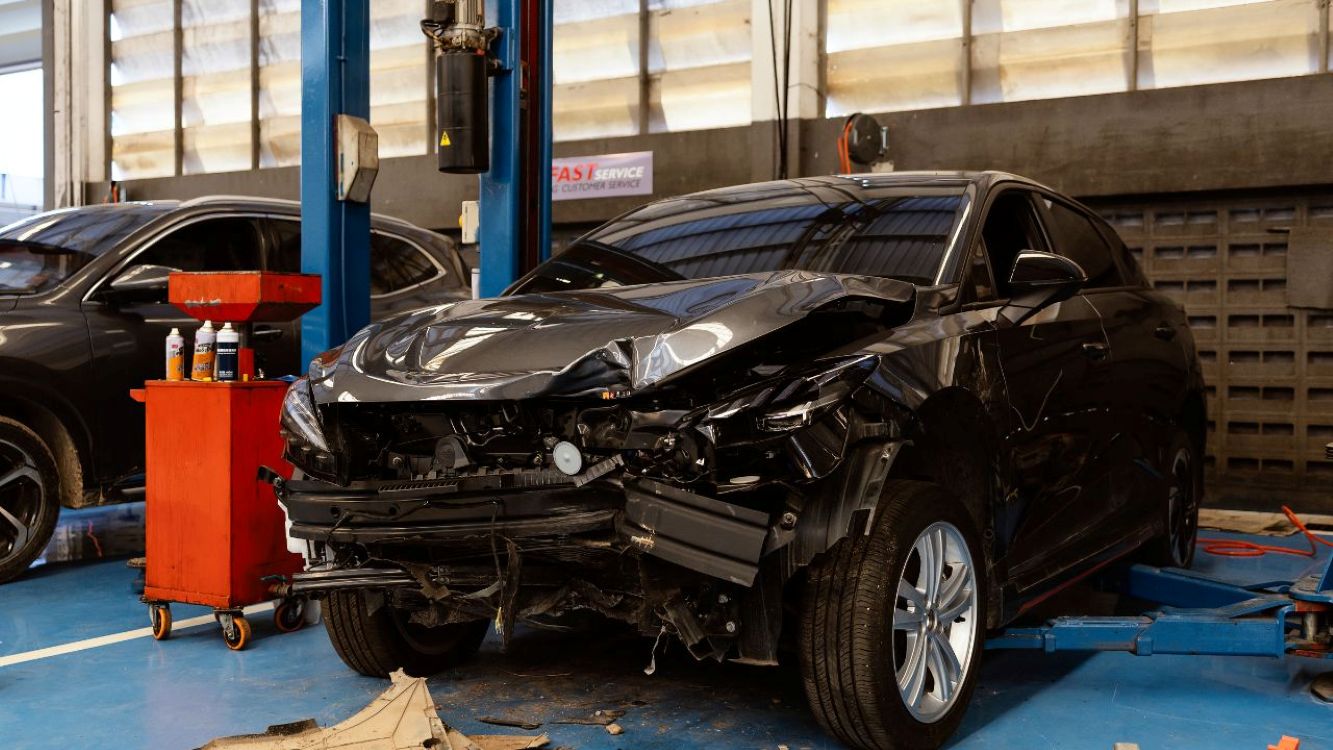
After a collision, it’s easy to focus on the visible damage.
You may see a dented bumper, scratched door, or damaged fender and assume that the repair is primarily cosmetic.
But collision damage can extend beyond what you can see.
A professional collision repair inspection may identify damage involving:
- Body panels
- Bumpers
- Structural components
- Mounting points
- Lights
- Sensors
- Safety systems
- Other components behind the damaged area
This is one reason choosing an experienced repair facility matters.
For Philadelphia drivers searching for collision repair in Philadelphia, understanding the shop’s training and repair practices can be just as important as comparing prices.
Does I-CAR Certification Guarantee a Perfect Repair?
No certification should be treated as an absolute guarantee of a perfect repair.
I-CAR training is one factor consumers can consider, but it shouldn’t replace broader research.
When evaluating a collision repair shop, consider:
- Training and qualifications
- Experience with your vehicle
- Repair procedures
- Equipment and facilities
- Customer reviews
- Communication
- Transparency about estimates
- Ability to work with insurance
- Approach to hidden damage
- Final inspection process
A certification can be a positive indicator of professional development, but the complete repair process matters too.
What Should Philadelphia Drivers Ask a Collision Repair Shop?
If you’re comparing collision repair facilities in Philadelphia, don’t be afraid to ask questions.
Ask About Training
You can ask whether technicians have current industry training and what certifications or educational programs they participate in.
Ask About Your Vehicle
Find out whether the shop regularly repairs your make and model.
Different vehicles can use different materials, construction methods, sensors, and repair procedures.
Ask About the Repair Process
Ask what will happen after the vehicle arrives.
A professional explanation might include inspection, estimating, disassembly, additional damage assessment, body repair, refinishing, reassembly, and final inspection.
Ask About Additional Damage
It’s also useful to ask what happens if technicians discover hidden damage after disassembly.
A collision estimate can change when previously hidden damage becomes visible.
How Does Training Relate to Auto Body Repair?
Collision repair and general body repair can overlap, particularly when an accident causes dents, scratches, damaged panels, or bumper damage.
For vehicle owners looking for auto body repair in Philadelphia, professional knowledge can help determine whether a panel should be repaired, replaced, refinished, or handled using another appropriate method.
The goal isn’t simply to make the damaged area look better. The repair should address the actual condition of the vehicle.
I-CAR Certification vs. Experience
Some drivers may wonder whether they should choose a shop based on certification or years of experience.
The better approach is not necessarily to choose one over the other.
Experience can be valuable because technicians encounter many different types of damage over time. Training is valuable because automotive technology and repair methods continue to evolve.
A shop that values ongoing education can combine practical experience with updated technical knowledge.
What About Modern Vehicle Safety Systems?
One of the biggest reasons collision repair has become more technically demanding is the increasing use of advanced vehicle systems.
Depending on the vehicle, an accident can involve systems such as:
- Blind-spot monitoring
- Forward-facing cameras
- Parking sensors
- Lane-assistance systems
- Automatic emergency braking
- Radar-based systems
A collision can sometimes disturb the positioning or operation of these systems.
The repair process may therefore require more than replacing a damaged body panel.
When applicable, the vehicle may need appropriate inspection, testing, or calibration according to the vehicle’s requirements.
Why Proper Repair Procedures Matter More Than Appearance
A vehicle can look good after an accident and still require additional attention.
That is why consumers should look beyond photographs of shiny finished vehicles when evaluating a repair shop.
Ask whether the facility focuses on the complete repair process.
Important questions include:
- How is hidden damage identified?
- How are replacement parts selected?
- How are damaged structural areas evaluated?
- How are vehicle-specific procedures considered?
- Are safety-related systems checked when necessary?
- How is the completed repair inspected?
These questions can help you understand how seriously a shop approaches collision repair.
Choosing a Collision Repair Shop in Philadelphia
Philadelphia vehicle owners have many options when looking for accident repair.
Rather than choosing based on one factor, create a short list of reputable shops and compare them.
Consider:
Location
A conveniently located shop can make dropping off and collecting your vehicle easier.
Reputation
Look for consistent customer feedback about communication, workmanship, and service.
Training
Ask about technician training and industry education.
Transparency
A shop should be able to explain the repair process and estimate in understandable terms.
Communication
Find out how the shop will update you if the repair changes or additional damage is found.
Vehicle Knowledge
Ask whether the shop is familiar with the type of vehicle you own.
For Philadelphia drivers, these factors can help narrow down the choices and make the repair experience less stressful.
Conclusion
I-CAR training matters because collision repair is a technical profession that continues to change. Modern vehicles can involve advanced materials, structural designs, electronics, sensors, cameras, and safety systems that require more specialized knowledge than traditional bodywork alone.
However, I-CAR certified collision repair should be viewed as one part of a larger decision. When choosing a Philadelphia collision repair shop, consider training alongside experience, repair procedures, communication, equipment, reputation, and the shop’s approach to your specific vehicle.
Nigro’s Auto Body understands that accident repairs require more than simply making visible damage disappear. Philadelphia drivers should have a clear understanding of what happened to their vehicle and what is required to restore it properly.
If your vehicle has been damaged in a collision, contact Nigro’s Auto Body to discuss the damage, repair process, and options available for getting your vehicle back on the road.
FAQ’S
I-CAR is an organization focused on education and training for professionals in the collision repair industry. Its training covers various technical areas involved in vehicle collision repair.
I-CAR training can be a useful indicator of professional education, but certification alone doesn’t guarantee a particular repair outcome. Consider training alongside experience, equipment, repair procedures, communication, and reputation.
It can be one factor in your decision. Ask the shop what certifications and training its technicians have and how that training applies to the type of repairs your vehicle needs.
Training can be particularly relevant as vehicles become more technologically complex. Modern collision repairs may involve advanced materials, sensors, cameras, structural components, and other systems.
Yes. Even a low-speed collision can damage components that aren’t immediately visible. A professional inspection can help determine whether the damage is limited to cosmetic bodywork or involves other vehicle systems.
Ask about technician training, the repair process, parts, estimated timeline, insurance procedures, hidden damage, and how the completed vehicle will be inspected.
No. Vehicle repair requirements vary by make, model, year, and damage. A shop should evaluate the specific vehicle and determine what repair procedures are appropriate.
Training is important because vehicle construction, materials, safety technology, and repair procedures continue to evolve. Ongoing education can help professionals keep their knowledge current.