
After your vehicle undergoes repairs, whether due to an accident or routine maintenance, it’s necessary to make sure that the work was completed correctly and safely. Many repairs focus on visible damage, but hidden problems may remain unnoticed, potentially leading to performance issues or safety threats. This is where a post repair inspection plays a vital role. Rather than being a simple formality, it is a thorough examination conducted after repairs to confirm that your car is fully restored and safe to drive. This inspection identifies any missed faults or errors. Beyond safety, a post repair inspection helps protect your investment by preventing future costly repairs. It also provides peace of mind that your vehicle meets high standards before going on the road again. Understanding the importance of this step can help you avoid unexpected problems and drive confidently.
Post Repair Inspection
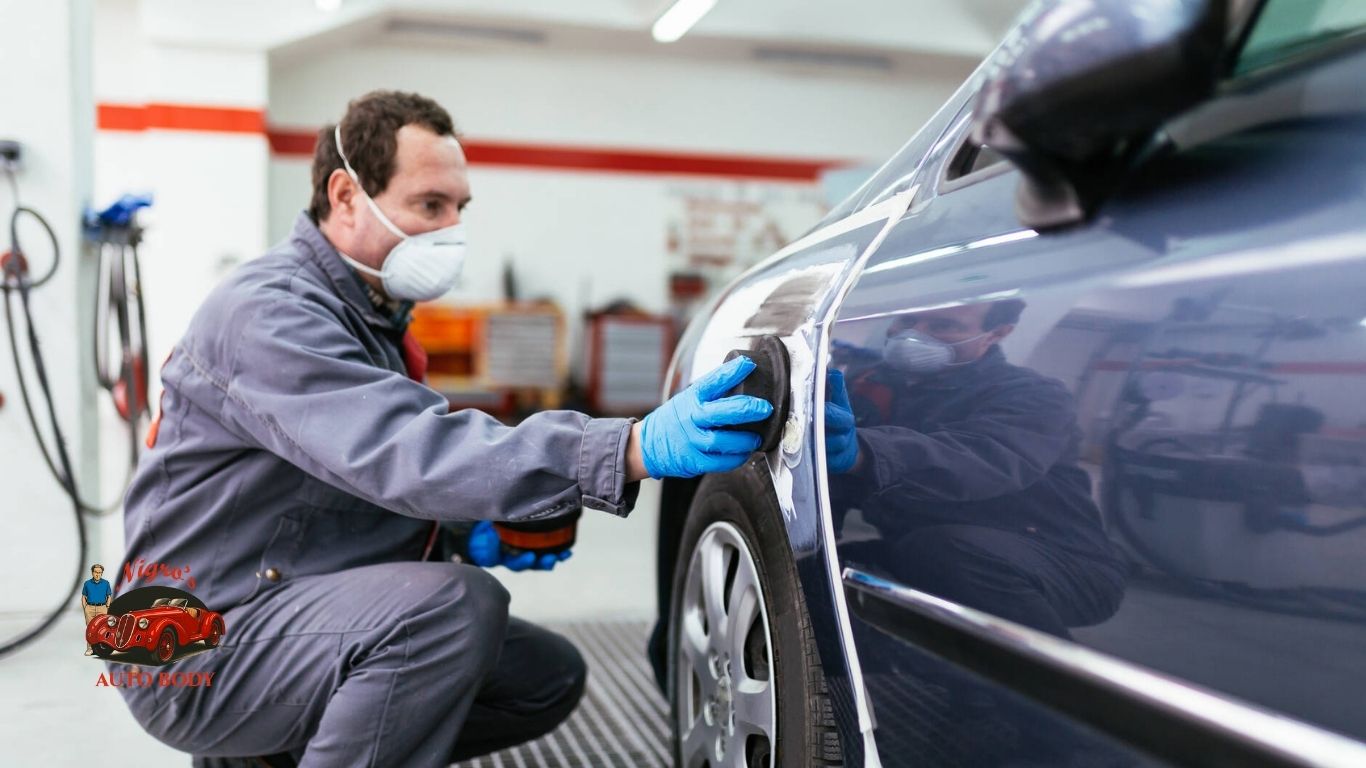
A post repair inspection is a detailed examination performed once repair work on a vehicle is complete. This process involves a careful check of both visible and hidden areas to ensure that all repairs meet the quality standards. Technicians review structural elements, such as the frame and body alignment, to detect any underlying issues that may have been missed. Mechanical systems like brakes, suspension, steering, and engine components are tested to confirm proper function. Additionally, modern vehicles with electronic systems require checks on sensors and safety features including airbags and seat belts. Ultimately, a post repair inspection helps verify that the vehicle is fully restored to its pre-repair condition.
Importance of a Post Repair Inspection
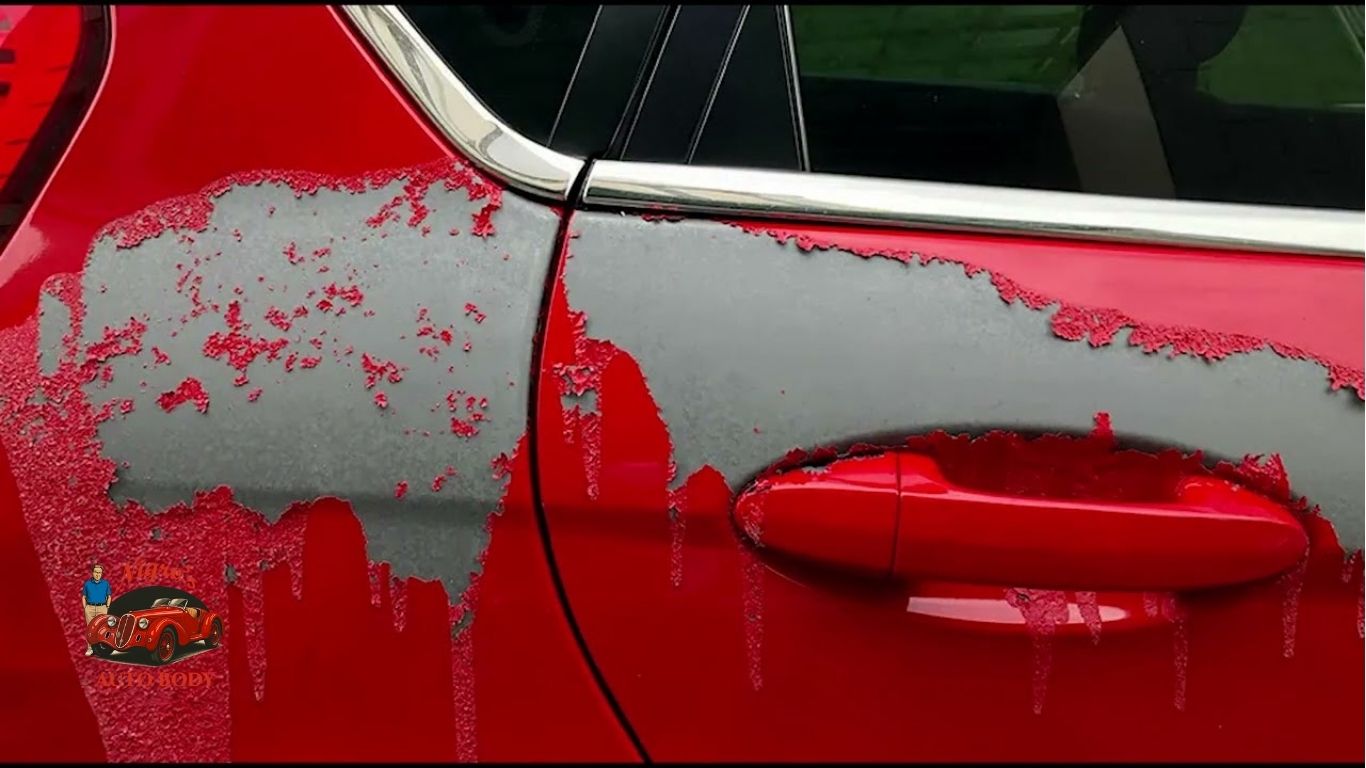
The importance of a post repair inspection lies in ensuring your vehicle’s safety, performance, and long-term reliability after repairs. While auto body repairs fix visible damage, hidden structural or mechanical problems can still remain, leaving serious risks to your safety if left unchecked. A thorough inspection catches such problems early, preventing accidents and costly follow-up repairs. Additionally, post repair inspections maintain your car’s value by providing documented proof of quality repairs . This final check offers peace of mind, letting you drive confidently knowing your vehicle meets safety standards and follow manufacturer guidelines
The Financial Benefits of a Post Repair Inspection
Saving Money on Future Repairs
Even though the idea of paying for an inspection right after costly repairs may seem like an extra expense, it is often a smart investment. By catching small problems early , you avoid the risk of these developing into much more expensive repairs down the line. Catching these hidden issues early helps you avoid repeat visits for repairs
Protecting Yourself from Safety Risks
A properly performed post repair inspection also protects you from driving a vehicle with hidden safety issues. Faulty brakes, steering problems, or poorly repaired structural damage may create dangerous situations. Detecting such issues early through this inspection can save you from accidents and the huge costs that come with them , both financial and personal. How confident are you that your repaired vehicle is safe to drive? This inspection can provide that assurance.
Maintaining Vehicle Value
A vehicle that has passed a thorough post repair inspection is often more reliable and attractive to future buyers. Ensuring all repairs are done correctly helps maintain your car’s value and can make it easier to resell at a good price. Documentation from these inspections further strengthens your case when buyers want proof of your car’s condition.
What a Post Repair Inspection Checklist Includes?
Comprehensive Fluid Level Checks
A key part of any post repair inspection checklist involves checking all vehicle fluids. This includes engine oil, transmission fluid, brake fluid, power steering fluid, coolant, and windshield washer fluid. Each must be at the appropriate level and free of contamination. This step helps prevent engine damage, transmission problems, and brake failures.
Detailed Examination of Body and Mechanical Components
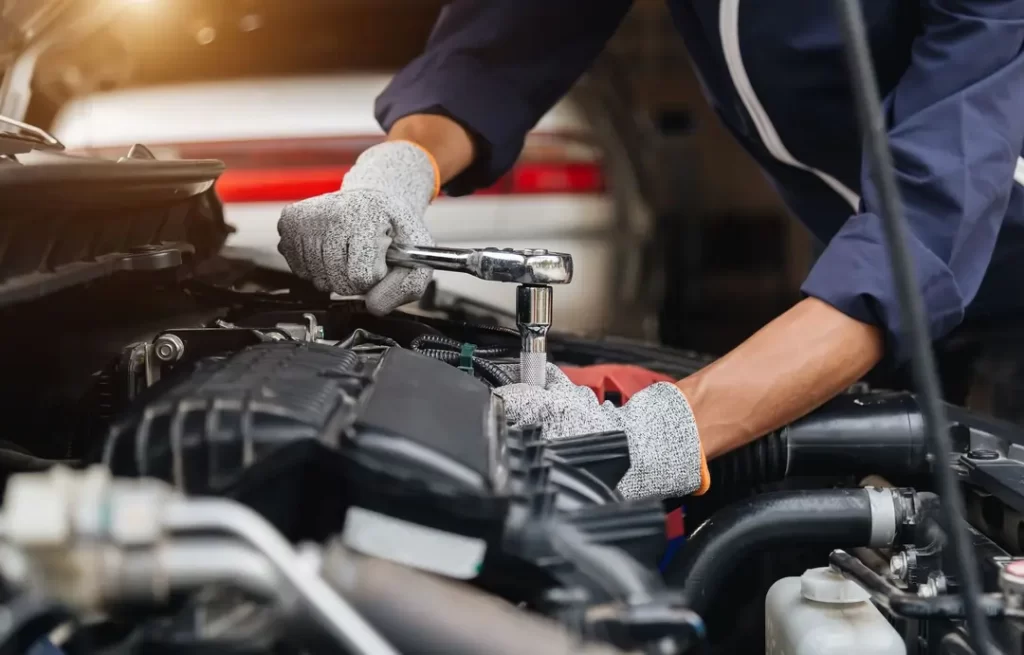
The checklist also includes a thorough visual and hands-on inspection of body panels to ensure they’re properly aligned and color-matched. In addition, components like hoses, belts, brakes, suspension parts, tires, and electronic systems are carefully examined for any signs of damage or incorrect installation. These parts are essential to your vehicle’s performance and overall safety.
Test Drive and Performance Verification
Finally, the inspector often performs a test drive to check for any unusual sounds, vibrations, or handling problems. This is an important way to detect issues that are only evident when the vehicle is in motion, such as steering pull or braking inefficiency. This comprehensive checklist ensures a thorough examination before the vehicle is returned to its owner.
Understanding Collision Repair Specialist Inspection Costs?
What Determines the Inspection Cost?
The collision repair specialist inspection cost depends on several factors including the vehicle type, extent of damage, and the service shop’s location. Generally, prices range from $50 to a few hundred dollars. While this may slightly increase your initial repair bill, it’s a small price to pay compared to the much higher costs of future breakdowns or accident-related damage.
Is the Cost Worth It?
Paying for the inspection is a preventive way to avoid expensive problems later. When your vehicle is inspected by a specialist, you receive professional verification that all repairs meet safety and quality requirements. This inspection cost can also include a warranty that provides additional peace of mind. Would you rather pay a small fee now or face major repairs later?

How Post Repair Inspections Prevent Future Problems and Enhance Safety?
Detecting Hidden Damage Early
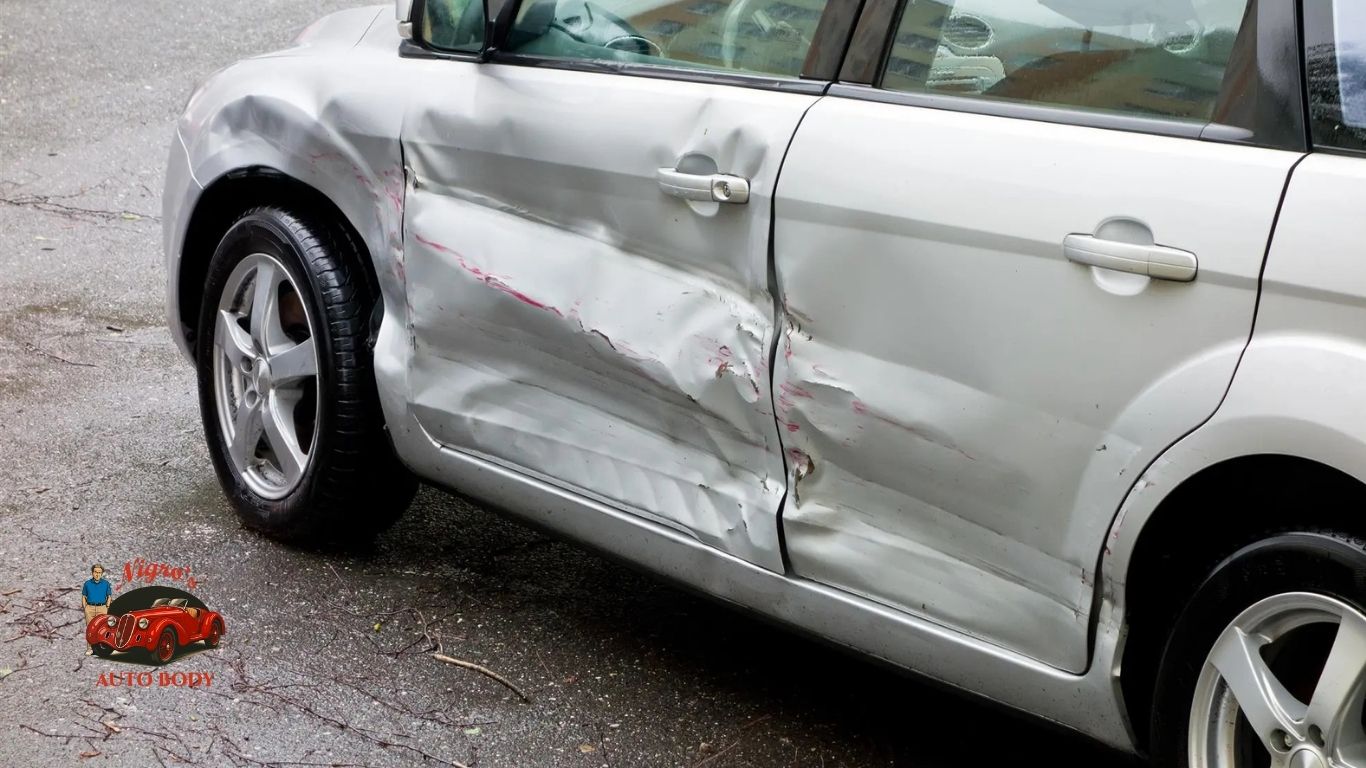
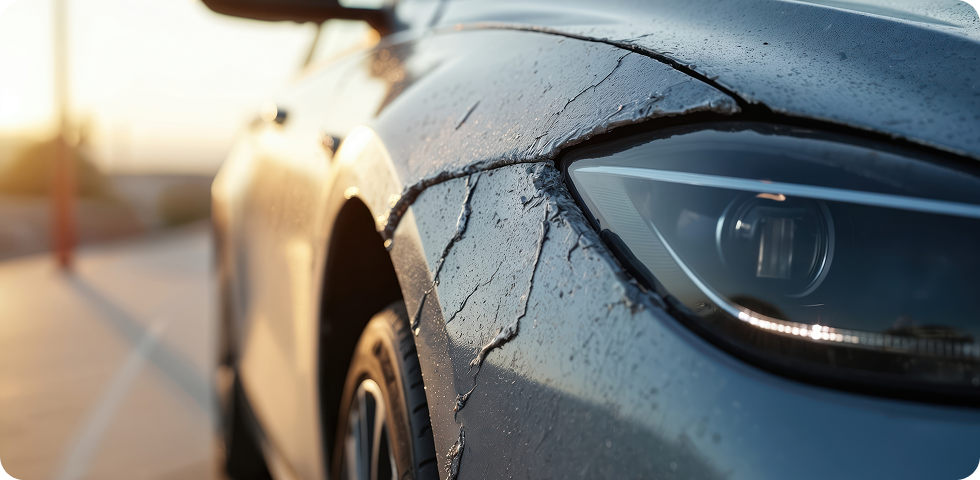
One of the biggest risks after collision repairs is that some damage may go unnoticed or be underestimated. A small crack in a structural component or an incomplete brake repair can quickly turn into a serious safety risk if left unchecked. Post-repair inspections are meant to detect these hidden issues early, helping keep you and your passengers safe on the road.
Ensuring Repair Quality and Safety Standards
In addition to the unseen damage, the quality of repair can be poor with the parts poorly attached or systems not functioning correctly. The post repair inspection ensures that repairs follow strict safety standards, which means your vehicle performs as it should without putting you at risk.
Avoiding Costly Breakdowns and Accidents
By checking the condition of key systems like brakes, steering, and suspension, the inspection helps prevent on-road breakdowns. A vehicle that passes this thorough review is less likely to fail without warning, saving you from costly towing, unexpected repairs, or even serious accidents. After everything, isn’t your safety worth this final layer of protection?
Trust Nigros Autobody for Your Post Repair Inspection Needs
Ensuring your vehicle is safe, reliable, and fully restored after repairs is necessary and that’s exactly what Nigros Autobody delivers with every post repair inspection. With expert technicians who use a thorough inspection checklist, Nigros Autobody guarantees that every repaired part meets the highest safety and quality standards. By choosing Nigros Autobody, you invest not only in expert collision repairs but also in a comprehensive post repair inspection that helps prevent future problems and protects your vehicle’s value.
When was your last inspection done ? Schedule your visit with Nigros Autobody today and drive away with confidence knowing your vehicle has passed a complete and expert review. Your safety and satisfaction are always their top priority.
Frequently Asked Questions
1. What is a post repair inspection?
A post repair inspection is a complete check of a vehicle after repairs to confirm the work was done correctly and the vehicle is safe to drive.
2. Do you legally have to do a post trip inspection?
For commercial vehicles, post trip inspections are typically required by law. For personal vehicles, post repair inspections are recommended but not legally mandatory.
3. What is a post-claim inspection?
A post-claim inspection happens after an insurance claim to assess the extent of damage and verify the repairs before closing the claim.