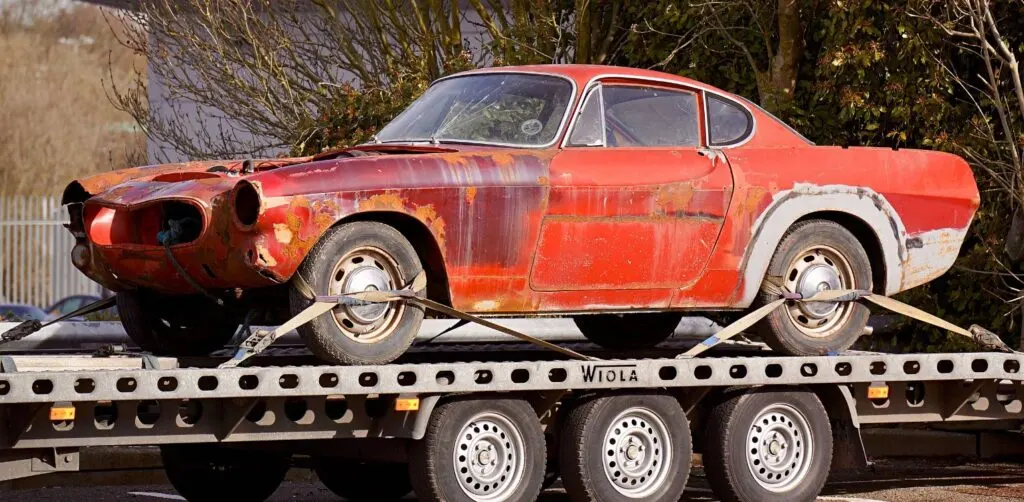
A car accident can leave you dealing with several problems at once: injuries, insurance information, police reports, vehicle damage, and figuring out how to get your car somewhere safe.
If your vehicle cannot be driven after a collision, towing after an accident may be necessary. But knowing what to do before the tow truck arrives can help you protect your vehicle and avoid unnecessary complications later.
For Philadelphia drivers, accident scenes can happen on busy city streets, highways, intersections, parking areas, or neighborhood roads. The immediate priority should always be safety. Once everyone is safe, you can focus on documenting the accident and arranging appropriate transportation for the damaged vehicle.
When Does a Car Need to Be Towed After an Accident?
Not every accident requires a tow. If the vehicle is safe to drive and has only minor cosmetic damage, you may be able to drive it away.
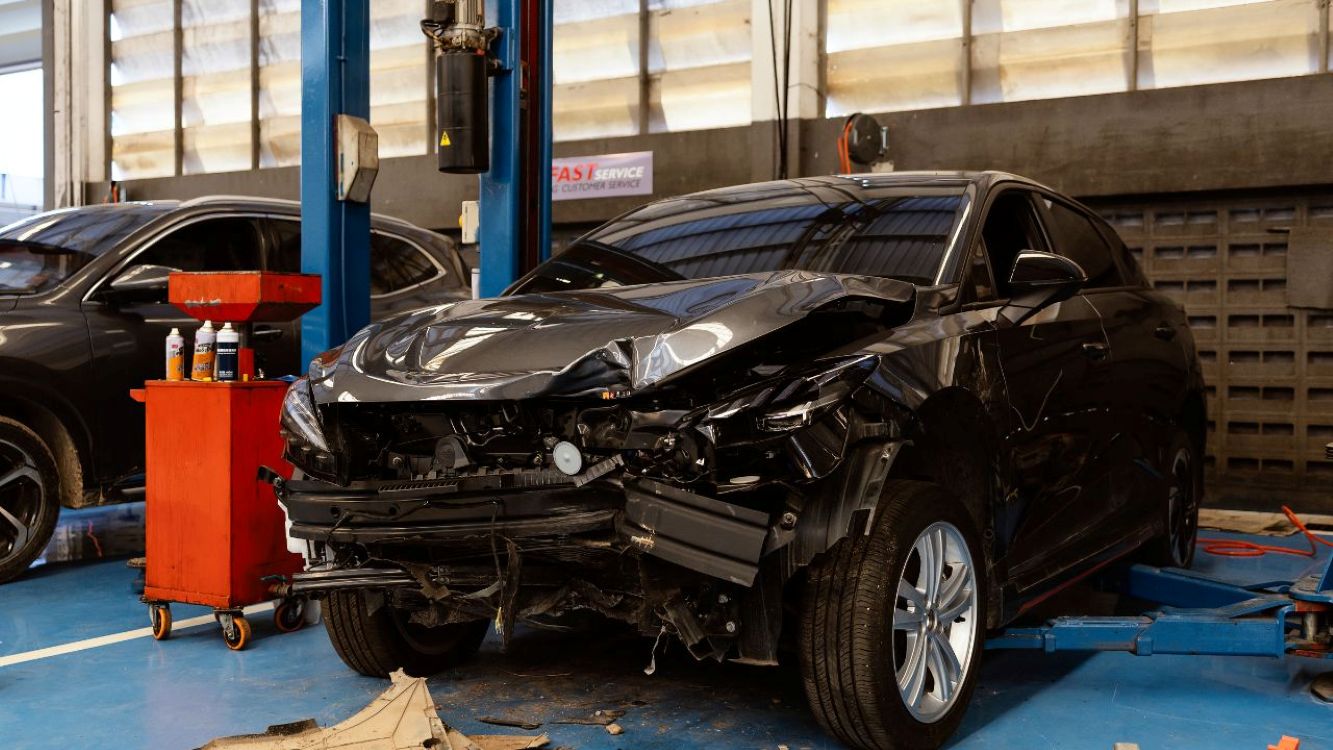
However, towing may be appropriate when the vehicle has damage that makes driving unsafe or impossible.
Common reasons include:
- Severe bumper damage
- Flat or damaged tires
- Broken suspension components
- Significant body damage
- Damaged lights
- Fluid leaks
- Steering problems
- Wheel damage
- Broken glass that affects visibility
- Airbag deployment
- Major collision damage
If you’re unsure whether your vehicle is safe to drive, don’t take unnecessary risks simply to avoid a tow.
Safety Comes First at the Accident Scene
Before worrying about towing, make sure everyone involved is safe.
If possible, move to a safe location away from moving traffic. Turn on hazard lights and follow appropriate emergency procedures.
If anyone is injured or the accident creates a dangerous roadway situation, contact emergency services.
Once the immediate safety concerns have been addressed, you can begin documenting the accident and determining what should happen to the vehicle.
What Should You Do Before the Tow Truck Arrives?
A few simple steps can make the towing and repair process easier.
Take Photos of the Vehicle
Photograph the vehicle from multiple angles before it is moved if it is safe to do so.
Take pictures of:
- Front and rear damage
- Side panels
- Bumpers
- Wheels and tires
- Broken lights
- Windshield and windows
- Interior damage
- Any visible fluid leaks
Also photograph the surrounding accident scene when appropriate.
These photos can help document the vehicle’s condition for insurance and repair purposes.
Remove Personal Belongings
Before the vehicle is towed, check the interior and trunk for personal items.
Remember to take important belongings such as:
- Wallets
- Electronics
- Documents
- Medication
- House or office keys
- Bags
- Other valuable items
If the vehicle is going directly to a repair shop, you may not have immediate access to it afterward.
Take Important Vehicle Information
Make sure you have access to relevant information such as:
- Vehicle registration
- Insurance information
- Driver’s license
- Repair-shop contact information
- Tow company information
You should also keep track of where the vehicle is being taken.
Where Should Your Vehicle Be Towed?
This is an important decision.
If your vehicle needs repairs, you may want it towed directly to a repair facility that can inspect the damage.
However, the best destination depends on the circumstances of the accident, insurance requirements, the vehicle’s condition, and your preferred repair facility.
If you already know which collision repair shop you want to use, ask whether they can receive the vehicle after an accident and what information they need.
Avoid allowing your vehicle to be taken somewhere without understanding where it is going or who will have possession of it.
What Happens When the Vehicle Arrives at the Repair Shop?
Towing is only the first step.
Once the damaged vehicle reaches a repair facility, the shop can begin assessing the damage.
The process may include:
- Vehicle inspection
- Damage documentation
- Estimate preparation
- Insurance communication when applicable
- Disassembly if necessary
- Inspection for hidden damage
- Repair or replacement of damaged components
- Bodywork and refinishing
- Reassembly
- Final inspection
A vehicle can sometimes have damage that wasn’t obvious at the accident scene.
For Philadelphia drivers who need collision repair in Philadelphia, a detailed inspection helps determine the full repair scope before work begins.
Why You Shouldn’t Ignore Hidden Damage
A vehicle can sometimes appear driveable even when it has damage that should be addressed.
For example, an impact may affect:
- Bumper reinforcement
- Mounting brackets
- Suspension components
- Steering components
- Sensors
- Lights
- Body structure
Some problems may not become obvious until the vehicle is inspected more closely.
This is one reason towing a damaged vehicle to a qualified repair facility can be safer than attempting to drive it home after a significant accident.
What If the Bumper Is Damaged?
Bumper damage is common after collisions.
A bumper cover may have:
- Scratches
- Cracks
- Broken mounting points
- Misalignment
But the visible bumper cover may not tell the whole story.
Components behind the bumper can also be damaged.
If the vehicle requires dents, damaged panels, bumper work, or other exterior repairs, auto body repair in Philadelphia can address the body-related portion of the collision after the vehicle has been properly inspected.
What About Insurance and Towing Costs?
Insurance coverage for towing depends on your policy and the circumstances of the accident.
Some policies may include roadside assistance or towing coverage, while other situations may involve insurance claims related to the collision itself.
Before assuming that a particular towing expense will be reimbursed, check your insurance policy or contact your insurer.
Keep documentation such as:
- Tow receipt
- Tow company information
- Accident report
- Photos
- Repair estimate
- Insurance claim information
Good documentation can make it easier to discuss expenses with your insurer.
Can You Choose Where the Car Is Towed?
Your options can depend on the circumstances, your insurance policy, and the towing arrangements made at the accident scene.
If you have a preferred repair facility, communicate that clearly when arranging the tow.
It’s useful to know:
- Where the vehicle is being taken
- Who requested the tow
- Who is paying for it
- What the storage arrangements are
- How to retrieve personal belongings
- Which repair shop will inspect the vehicle
If you’re uncertain about the arrangements, ask questions before the vehicle is moved whenever possible.
Be Careful With Unfamiliar Tow Operators
After a serious accident, you may be approached by tow operators offering to take your vehicle.
Don’t feel pressured into making a quick decision without understanding where the vehicle will go.
Ask for:
- Company name
- Destination
- Estimated towing charges
- Storage charges, if applicable
- Contact information
- Payment requirements
If police or emergency personnel are managing the accident scene, follow their instructions while also keeping track of where your vehicle is being taken.
What If Your Car Is Not Safe to Drive?
Don’t attempt to drive a vehicle simply because it starts.
A vehicle with damaged steering, suspension, wheels, lights, major body components, or leaking fluids may be unsafe.
If you’re uncertain, have the vehicle evaluated before driving it.
The cost and inconvenience of a tow can be much smaller than the consequences of driving an unsafe vehicle.
How Towing Connects to Collision Repair
Towing and collision repair are closely connected after a serious accident.
The tow gets the vehicle from the accident scene to a safe location. The repair facility then determines what needs to be done to restore the vehicle.
Depending on the accident, repairs could involve:
- Dent repair
- Panel replacement
- Paint refinishing
- Glass replacement
- Mechanical components
- Structural repairs
- Sensor-related systems
The repair process should begin with an assessment rather than assumptions about what the vehicle needs.
What Should You Do After Towing Your Vehicle to a Shop?
Once your vehicle arrives at a repair facility, stay organized.
Keep Your Documentation
Save your accident photos, insurance information, tow receipt, and repair paperwork.
Ask for an Estimate
Request the repair facility to explain the expected repair work and estimated cost.
Check for Hidden Damage
Find out what happens if additional damage is discovered after disassembly.
Ask About the Timeline
The repair duration can depend on damage severity, parts availability, insurance authorization, and other factors.
Stay in Communication
Make sure you know how the shop will provide updates and how you will be contacted if the repair plan changes.
Conclusion
Towing after an accident is sometimes an unavoidable part of dealing with collision damage, but knowing what to do can make the process less stressful.
Prioritize safety, document the damage, understand where your vehicle is being taken, keep your towing and insurance records, and have the vehicle properly inspected before assuming it is safe to drive or deciding what repairs it needs.
For Philadelphia drivers, the tow is only the beginning. Once the vehicle reaches a repair facility, a thorough inspection can help identify both visible and hidden collision damage.
Nigro’s Auto Body can help vehicle owners understand the next steps after an accident and determine what repair work may be necessary.
If your vehicle has been towed after a collision, contact Nigro’s Auto Body to discuss the damage and the appropriate repair options for getting your vehicle safely back on the road.
FAQ’S
Not necessarily. If the vehicle is safe and fully functional, it may be possible to drive it. However, if there is uncertainty about steering, brakes, tires, suspension, fluids, visibility, or significant collision damage, towing may be the safer option.
If the vehicle needs repairs, you may choose to have it towed to a repair facility. If you already have a preferred collision shop, communicate that preference before the tow whenever possible.
Coverage depends on your insurance policy and the circumstances of the accident. Check your policy or contact your insurer to determine whether towing is covered.
Yes, if it is safe to do so. Take photographs of the vehicle, visible damage, surrounding area, and other relevant details. These can help document the condition of the vehicle.
It depends on the condition of the vehicle. If there is significant damage, fluid leakage, steering or suspension problems, damaged wheels, broken lights, or impaired visibility, driving may be unsafe.
The vehicle is typically inspected to determine the extent of damage. The shop may prepare an estimate, communicate with insurance when necessary, disassemble damaged areas, identify hidden damage, and develop a repair plan.
Professional towing equipment is designed to transport vehicles safely, but the correct towing method depends on the vehicle and its condition. Make sure the tow operator knows whether the vehicle has wheel, suspension, or other damage
Yes. Remove valuables and important personal belongings whenever possible. Once the vehicle leaves the accident scene, you may not have immediate access to it.