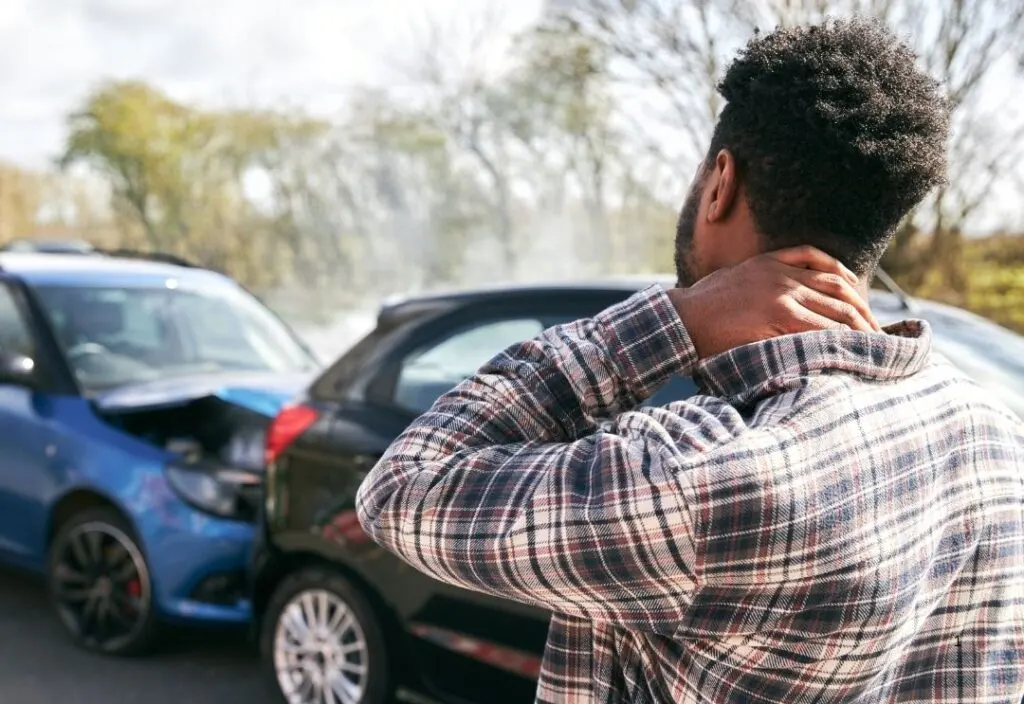
There’s a specific kind of quiet that hits right after a crash. The airbag smoke clears, your ears are ringing a little, and for about ten seconds your brain just refuses to tell you what to do next. That’s normal. It happens to everyone, whether it’s a fender-bender on Roosevelt Boulevard or a multi-car pileup on I-95 during rush hour.
The problem is that those first ten minutes matter for your safety, for your health, and for your insurance claim. What you do (or forget to do) at the scene can make the difference between a smooth repair process and a months-long headache with adjusters and shop estimates.
I’ve spent years talking to drivers the day after their accident, and the same regrets come up again and again: “I wish I’d taken more photos.” “I didn’t get the other driver’s insurance info.” “I said ‘I’m fine’ and now my neck won’t stop hurting.” This checklist is built to help you avoid every one of those regrets.
Bookmark it now, before you need it.
1. Check for Injuries First (Yours and Everyone Else’s)
Before you think about bumpers or paint scratches, check on people.
- Stay as calm as you can and check yourself for pain, dizziness, or anything that feels off. Adrenaline hides pain incredibly well; you can have a real injury and not feel it for hours.
- Check on your passengers, then, if it’s safe, the occupants of the other vehicle(s).
- If anyone is seriously hurt, unconscious, or trapped, call 911 immediately and don’t try to move them unless there’s an immediate danger like fire or oncoming traffic.
- Even for minor aches, don’t wave off medical attention. Whiplash, concussions, and soft-tissue injuries commonly show up 24 to 72 hours later.
2. Move to Safety (If the Car Is Drivable)
Philadelphia streets don’t stop for accidents. Broad Street, the Schuylkill Expressway, and the Vine Street Expressway are all high-traffic corridors where a stopped car is a hazard to everyone.
- If the vehicle can be driven and no one is badly hurt, move to the shoulder, a parking lot, or the nearest side street.
- Turn on your hazard lights immediately, even before you’ve assessed anything else.
- If you have flares or reflective triangles, use them, especially at night or in bad weather.
- If the car can’t move, stay inside with your seatbelt on until help arrives, unless staying put is more dangerous than getting out.
3. Call 911, Even for “Minor” Accidents
A lot of Philadelphia drivers try to handle it between themselves for small fender-benders. Don’t. A police report is one of the most valuable pieces of paper you can have when it’s time to file a claim.
- Report the accident and request police response.
- If there are injuries, say so clearly. This changes how quickly officers respond.
- When police arrive, give a factual, simple account of what happened. Don’t guess, don’t apologize, and don’t speculate about fault out loud.
- Ask for the report number and the responding officer’s name and badge number before they leave.
4. Exchange Information With the Other Drivers
This is the step people forget details on the most, especially if they’re rattled. Get this from every other driver involved:
- Full name and phone number
- Driver’s license number
- License plate number
- Insurance company and policy number
- Make, model, and color of their vehicle
If there are witnesses, ask for their name and phone number too. A neutral third-party account can be extremely useful if fault is disputed later.
5. Document Everything With Photos
Your phone camera is one of the most powerful tools you have in this moment. Take more photos than you think you need. You can’t go back and reshoot the scene tomorrow.
Photograph:
- All vehicles involved, from multiple angles
- Close-ups of the damage on each car
- License plates
- The overall accident scene, including road position, traffic signals, and skid marks
- Street signs or landmarks that establish location
- Weather and road conditions
- Any visible injuries
These photos do double duty. They support your insurance claim, and they give your collision repair shop a clear picture of the damage before you even bring the car in for an estimate.
6. Avoid Admitting Fault, Even Casually
“Sorry, I didn’t see you” feels like basic politeness in the moment. To an insurance adjuster, it can read as an admission of fault. Stick to facts when speaking with the other driver, witnesses, and police. Save the full story for your insurance company and, if needed, your attorney.
7. Notify Your Insurance Company Right Away
Most policies require prompt notification, and Pennsylvania is a no-fault insurance state, which affects how your medical and vehicle costs get sorted out.
- Call your insurer the same day if possible.
- Give them the facts, the police report number, and the other driver’s information.
- Ask about your coverage for a rental car while your vehicle is being repaired.
- You have the legal right to choose your own repair shop in Pennsylvania, regardless of what an adjuster suggests. It’s worth confirming with your insurer directly.
8. Get a Medical Check-Up, Even If You Feel Fine
Set an appointment with your doctor or an urgent care clinic within a day or two of the accident, even if you feel okay standing at the scene. This creates a documented, dated medical record tied to the accident, which matters both for your health and for any injury claim down the line.
9. Choose a Trusted Auto Body Shop for Your Estimate
Once the immediate safety and paperwork steps are done, your next decision is where to get the damage repaired. This is where a lot of drivers lose money without realizing it, going with the first shop an insurance adjuster suggests instead of a shop that will actually fight for a proper, safe repair.
A few things worth checking before you commit:
- Certifications for your specific vehicle make (especially important for newer cars with advanced safety systems)
- Whether they offer a written, itemized estimate
- Reviews specific to collision and dent repair, not just general service
- Whether they handle insurance communication directly on your behalf
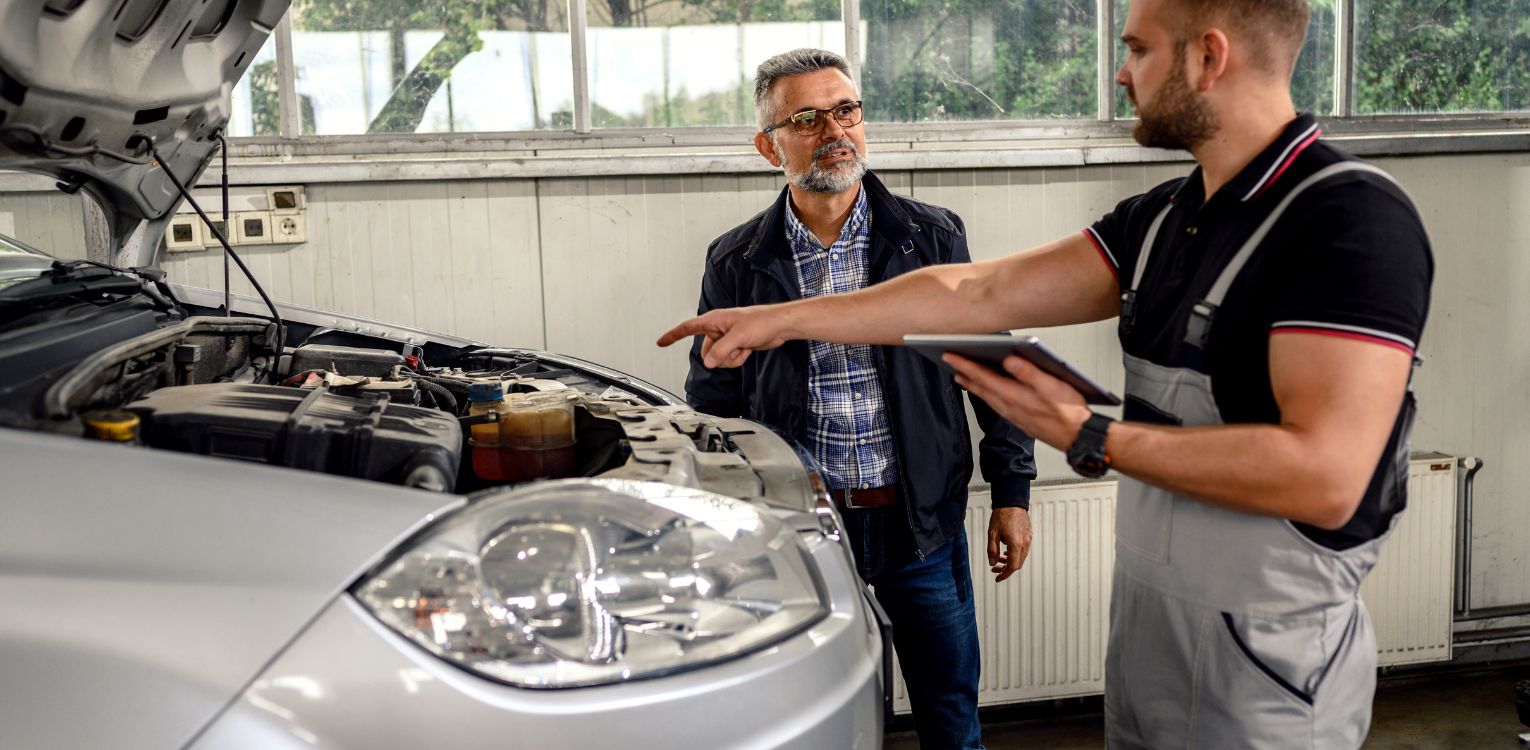
At Nigro’s Auto Body Repair, we walk every customer through their estimate line by line, so you always know exactly what work is being done and why..
10. Don’t Underestimate “Minor” Damage
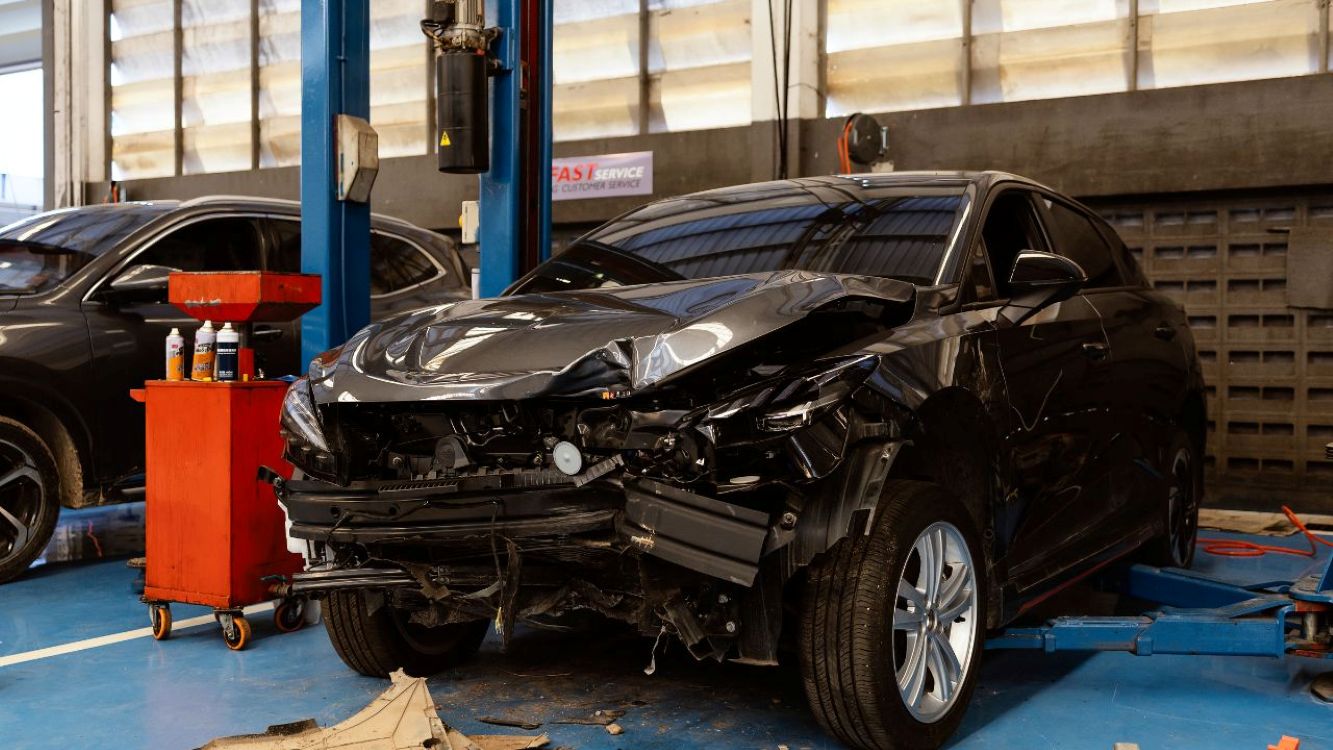
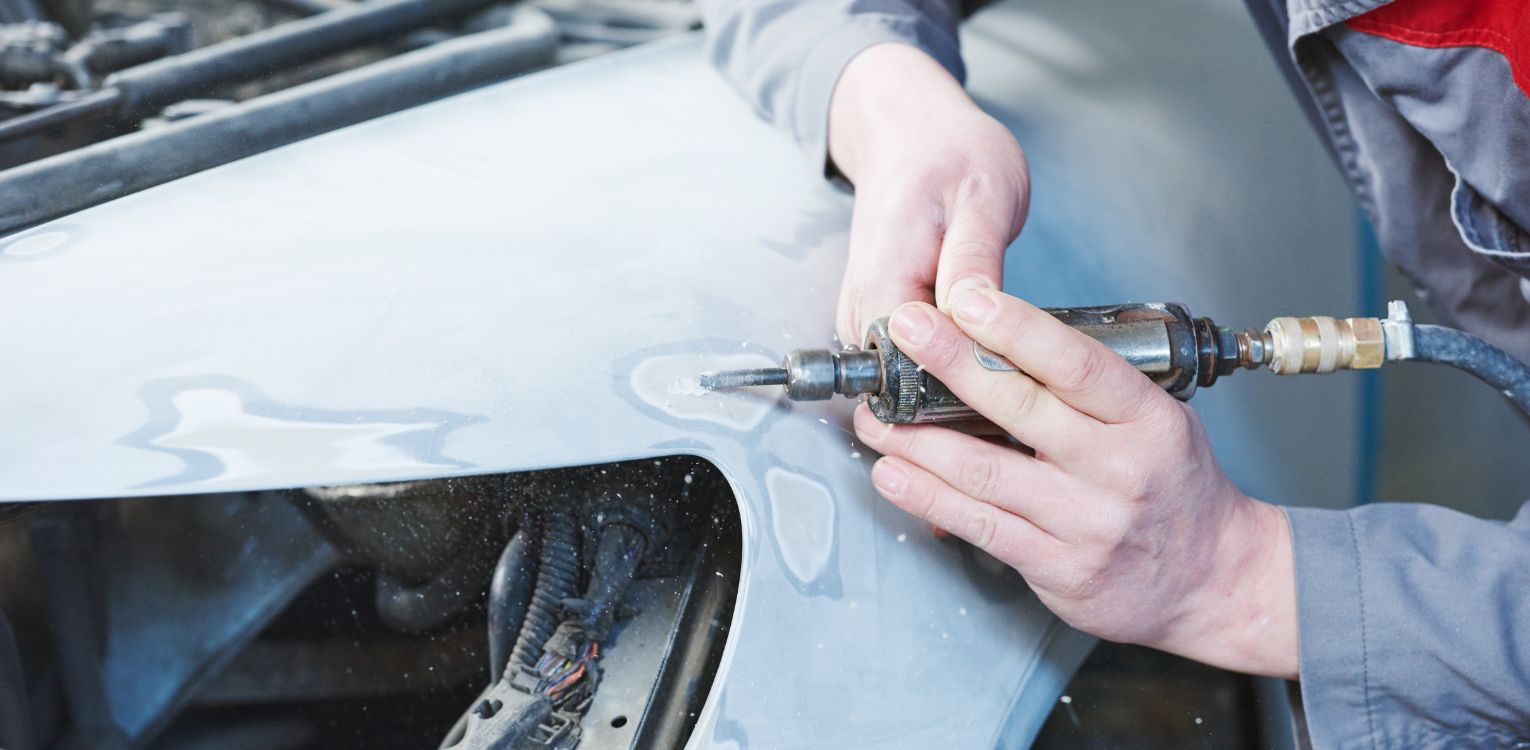
A dent that looks cosmetic can hide bent frame components, misaligned panels, or damaged sensors, especially on cars with front or rear parking cameras and collision-avoidance systems. If your first instinct is “it’s just a dent, I’ll deal with it later,” it’s worth remembering why professional dent repair is worth the investment rather than assuming the damage is only cosmetic.
And if your car had odd symptoms even before the accident (pulling to one side, new noises, dashboard warning lights), it’s worth a full inspection. These are often among the top signs your car needs service, and post-accident checks tend to catch pre-existing issues too.
Your Quick-Reference Philadelphia Car Accident Checklist
- Check yourself and others for injuries
- Move to safety and turn on hazard lights
- Call 911, even for minor accidents
- Exchange info: name, license, insurance, plate number
- Photograph everything: vehicles, scene, plates, injuries
- Don’t admit fault, even casually
- Notify your insurance company the same day
- Get checked out medically within 24 to 48 hours
- Choose your own trusted auto body shop for the estimate
- Don’t dismiss minor-looking damage without an inspection
Final Thought
Accidents are disorienting by nature, and that’s exactly why having a checklist matters more than trying to figure it out in the moment. Take care of the people first, document everything thoroughly, and don’t let anyone rush you into a repair decision you’re not comfortable with. For more guidance on navigating repairs after an accident, visit our collision repair hub.
FAQ’s
Check yourself and everyone else in both vehicles for injuries before anything else. Once you know everyone is safe, move to a secure location if the car is drivable, turn on your hazard lights, and call 911, even if the damage looks minor.
Yes. Even for small accidents, a police report creates an official record of what happened. This makes the insurance claims process much smoother and protects you if the other driver later disputes fault.
Get their full name, phone number, driver’s license number, license plate number, insurance company, and policy number. If there are witnesses nearby, take their contact information as well.
Within 24 to 48 hours is ideal. Injuries like whiplash and soft-tissue damage often don’t show symptoms right away, and a prompt medical record also protects any future claim related to the accident.
In Pennsylvania, you have the legal right to choose your own repair shop. Insurance companies may recommend a shop, but you’re never required to use it.
Any visible damage, no matter how small, is worth having inspected. Dents that look cosmetic can hide frame damage or affect sensors tied to safety systems, so a proper evaluation matters even when the damage looks minor.
Nigro’s Auto Body Repair offers written, itemized estimates and walks every customer through the details so you know exactly what work is being done before any repairs begin.