If you’ve ever gotten a repair estimate and seen the words “aftermarket part” next to a price that’s noticeably lower than you expected, you’ve probably paused and wondered what you’re agreeing to. It’s one of the most common questions we hear from drivers in Philadelphia, and it’s a fair one. The parts used in your repair affect how your car looks, how it performs, and in some cases, how safe it is.
This isn’t a simple “one is good, one is bad” situation. Both OEM and aftermarket parts have a place, and knowing the difference puts you in a much stronger position when you’re reviewing an estimate or talking to your insurance adjuster.
What Does OEM Actually Mean?
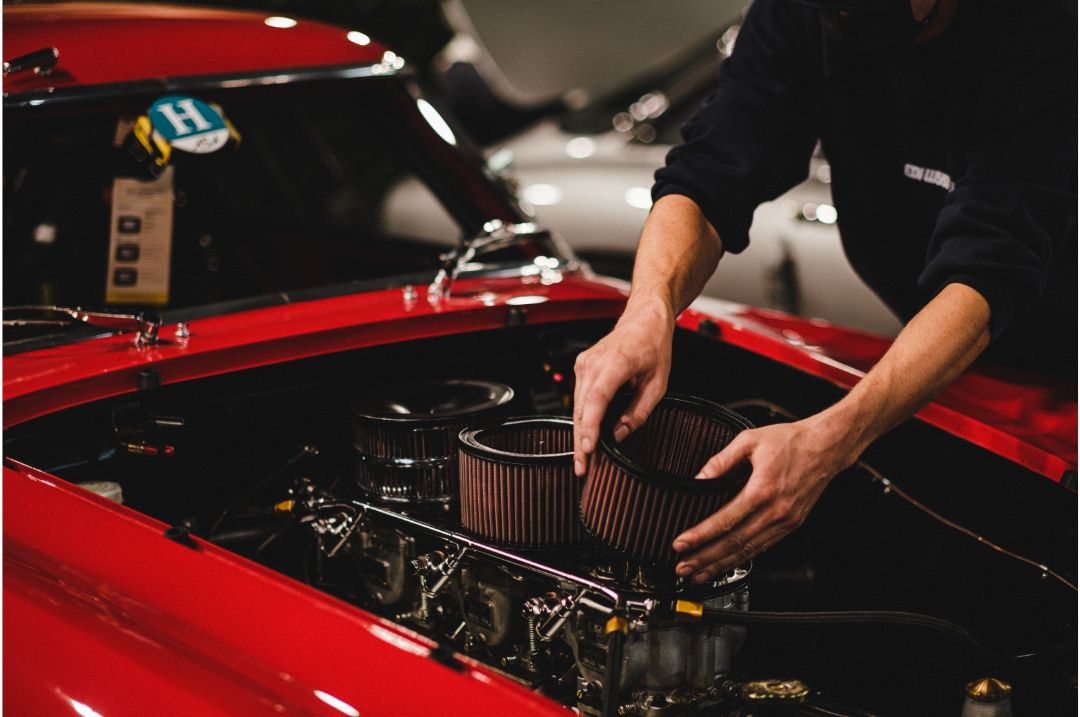
OEM stands for Original Equipment Manufacturer. These are parts made by the same company that built your car, or by a supplier working directly under contract with that automaker, to the exact specifications of your original part.
If your car came off the factory line with a certain bumper bracket, headlight assembly, or fender, an OEM replacement is built to match that part precisely, down to the material, fit, and finish.
Why drivers choose OEM:
- Guaranteed fit and finish that matches your vehicle exactly
- Consistent quality control tied to the automaker’s standards
- Often backed by a manufacturer warranty
- Preferred for vehicles with advanced safety systems, since sensors and cameras are calibrated to precise OEM specifications
The tradeoff: OEM parts are almost always more expensive, and depending on the part, availability can take longer, especially for older or less common models.
What Does Aftermarket Mean?
Aftermarket parts are made by third-party manufacturers rather than your car’s original maker. They’re designed to fit and function like the original part, but they aren’t produced by, or under contract with, the automaker.
Why drivers choose aftermarket:
- Lower cost, often significantly so
- Wider availability, which can mean faster repair turnaround
- A reasonable option for older vehicles where resale value and long-term factory-matched parts matter less
The tradeoff: Quality varies a lot between aftermarket manufacturers. Some parts are excellent and nearly indistinguishable from OEM. Others have inconsistent fit, thinner material, or finish that doesn’t quite match your car’s factory paint and body lines. This is really the core issue: aftermarket isn’t one standard, it’s a whole spectrum.
Where This Actually Matters for Your Car
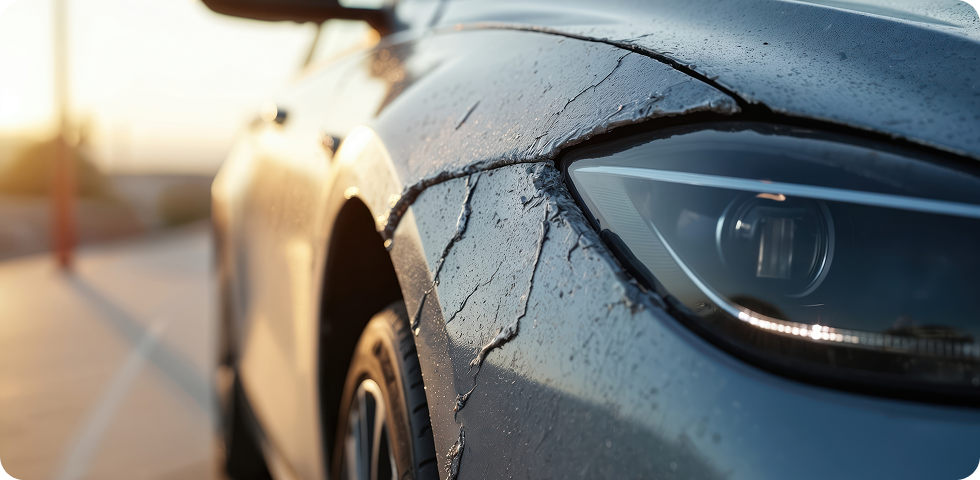
Body panels and cosmetic parts. For things like bumper covers, fenders, or mirror housings, a well-made aftermarket part can look perfectly fine once painted and installed. This is often where the cost savings make the most sense.
Safety-related components. Parts tied to airbags, structural crash-support components, or advanced driver-assistance systems are a different conversation entirely. A slight variance in material strength or sensor mounting can affect how your car performs in a future accident, or how accurately a camera or sensor reads the road. This is an area where OEM is worth the extra cost for most drivers.
Newer vehicles with advanced tech. If your car has lane-assist cameras, parking sensors, or adaptive cruise control built into the front or rear fascia, OEM parts are often necessary just to keep those systems calibrated correctly.
What Insurance Companies Won’t Always Tell You
Insurance companies frequently push for aftermarket parts on an estimate because they’re cheaper, which lowers the payout. What a lot of drivers don’t realize is that in many cases, you have the right to request OEM parts, sometimes at an added cost to you, sometimes covered depending on your policy and state regulations.
It’s worth asking your insurer directly:
- Does my policy specify OEM or aftermarket parts?
- If aftermarket is standard, what would it cost to upgrade to OEM?
- Are there any safety-related components on my vehicle that require OEM by manufacturer recommendation?
Pennsylvania drivers also have the right to choose their own repair shop, regardless of what an adjuster recommends, which matters here because a shop working in your interest will walk you through these tradeoffs rather than defaulting to whatever keeps the estimate lowest.
A Simple Way to Decide
If you’re not sure which route makes sense for your situation, ask yourself these questions:
- Is the part cosmetic, or is it tied to safety and structural performance?
- How old is the vehicle, and how long do you plan to keep it?
- Does your car have sensors or cameras built into the area being repaired?
- Are you planning to sell the car in the next few years, where factory-matched parts can affect resale value?
There’s no universal right answer. A ten-year-old daily driver with a damaged bumper cover is a very different situation than a two-year-old SUV with a front-end collision involving a radar sensor.
Why a Trustworthy Repair Estimate Matters
This is exactly the kind of decision that shouldn’t be rushed through on a generic estimate. At Nigro’s Auto Body Repair, we walk every customer through their estimate line by line, explaining exactly which parts are OEM, which are aftermarket, and why we’re recommending one over the other for your specific vehicle and situation.
FAQ’S
No. It’s legal, and common. However, most states, including Pennsylvania, require that aftermarket parts meet certain quality and safety standards, and many policies allow you to request OEM parts, sometimes for an additional cost.
Generally, no, as long as the part is installed correctly and doesn’t cause damage to other components. However, if a part failure is later traced to a defective aftermarket part, that specific repair may not be covered under your factory warranty.
Not inherently. Quality varies significantly between manufacturers. Reputable aftermarket brands can perform very close to OEM standards, especially for non-structural, cosmetic components.
Yes. You can request OEM parts, though your insurer may require you to cover the price difference, depending on your policy.
As a general rule, anything connected to airbags, structural crash support, or advanced driver-assistance sensors and cameras should be treated as safety-critical, and OEM is usually the safer choice in these cases.